

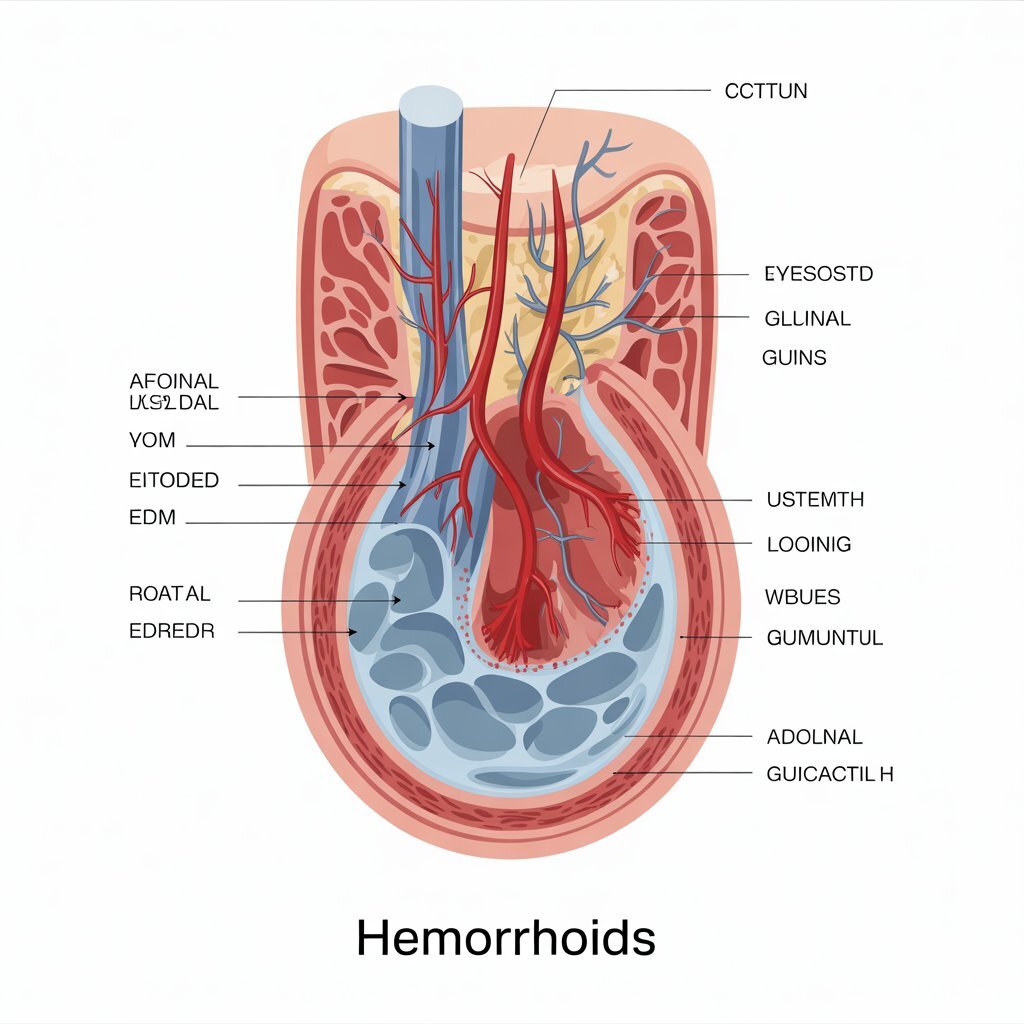
Hemorrhoids, often referred to as piles, are swollen veins in the lower rectum and anus. They are a common medical issue that can affect anyone, regardless of age or gender. Although hemorrhoids are typically not life-threatening, they can cause significant discomfort and distress. For many people, the most pressing question when dealing with hemorrhoids is: How long do hemorrhoids last?
This comprehensive guide will explore the causes of hemorrhoids, how long they typically last, the various treatment options available, and how to prevent future occurrences. Whether you’re dealing with a mild flare-up or more severe symptoms, understanding the nature of hemorrhoids can help you manage the condition more effectively.
What Are Hemorrhoids?
Hemorrhoids are swollen or inflamed veins in and around the anus and rectum. These veins become enlarged due to increased pressure on the veins in the lower rectum, which can be caused by factors like constipation, pregnancy, obesity, or even prolonged sitting.
There are two main types of hemorrhoids:
- Internal Hemorrhoids: These occur inside the rectum and are usually painless. However, they can cause bleeding, especially during bowel movements.
- External Hemorrhoids: These are located under the skin around the anus. External hemorrhoids tend to be more painful and can cause swelling, itching, and bleeding.
Hemorrhoids can develop gradually or appear suddenly, and while they are not usually dangerous, they can lead to significant discomfort. Knowing how long hemorrhoids last and understanding the treatment options can help alleviate these symptoms and prevent future flare-ups.
Read other Articles – Top AI Tools to Simplify Office Work for Beginners
How Long Do Hemorrhoids Last?
The duration of hemorrhoids varies from person to person and depends on several factors, such as the type and severity of the hemorrhoids, the treatment approach, and underlying health conditions. In general, hemorrhoids can last anywhere from a few days to several weeks.
- Mild Hemorrhoids: In most cases, mild hemorrhoids will resolve within a week to two weeks with the help of home remedies and lifestyle changes. These might include increasing fiber intake, drinking more water, and using topical creams to reduce swelling and irritation.
- Severe Hemorrhoids: More severe cases may take longer to heal, and they could last up to three weeks or more, depending on the individual’s response to treatment. In some cases, medical procedures may be required to remove or shrink the hemorrhoids.
- Chronic Hemorrhoids: Some individuals may experience recurring hemorrhoids due to ongoing factors like chronic constipation, obesity, or other lifestyle issues. These recurring hemorrhoids may take longer to resolve and may require long-term management strategies.
Factors That Affect How Long Hemorrhoids Last
The duration of hemorrhoids can vary depending on a number of factors, including:
1. Severity of Symptoms
Mild hemorrhoids may heal quickly with simple treatments like sitz baths and dietary changes. Severe hemorrhoids, on the other hand, may require more intensive medical intervention and could last longer, even with treatment.
2. Treatment Approach
How you treat your hemorrhoids can significantly impact how long they last. Conservative treatments like increasing fiber intake, applying topical creams, and using warm baths can help reduce symptoms in a few days to a week. However, severe hemorrhoids might require medical procedures like rubber band ligation, sclerotherapy, or even surgery.
3. Underlying Health Conditions
Certain conditions like chronic constipation, pregnancy, and obesity can make hemorrhoids last longer or cause recurring flare-ups. For example, pregnant women often experience hemorrhoids due to increased pressure on the rectum and changes in hormone levels.
4. Lifestyle and Habits
Your daily habits, such as sitting for long periods, straining during bowel movements, or a poor diet, can contribute to the development and duration of hemorrhoids. Adopting healthy habits, like regular exercise, a high-fiber diet, and staying hydrated, can help reduce the likelihood of hemorrhoids lasting for extended periods.
5. Type of Hemorrhoid
Internal hemorrhoids typically cause less discomfort than external hemorrhoids but may take longer to heal because they are harder to treat. External hemorrhoids may cause more pain initially, but with the right treatment, they often resolve more quickly.
How Long Do External Hemorrhoids Last?
External hemorrhoids are located under the skin around the anus and can cause symptoms like itching, swelling, and pain, particularly when sitting or during bowel movements. External hemorrhoids typically last anywhere from a few days to a couple of weeks, depending on their severity.
For most people, external hemorrhoids will improve with home treatment, such as:
- Warm Sitz Baths: Soaking in a warm bath for 10 to 15 minutes several times a day can help reduce swelling and provide relief from discomfort.
- Topical Creams: Over-the-counter hemorrhoid creams containing hydrocortisone can help reduce inflammation and itching.
- Cold Compresses: Applying an ice pack to the affected area for short periods can help numb pain and reduce swelling.
If external hemorrhoids are severe or cause significant pain, you may need to see a doctor for medical treatment. In some cases, thrombosed hemorrhoids (hemorrhoids with a blood clot) can form, causing intense pain. These may require professional medical intervention, such as clot removal.
You can also visit the American Society of Colon and Rectal Surgeons for more information on the various treatments available for hemorrhoids.
How Long Do Internal Hemorrhoids Last?
Internal hemorrhoids occur inside the rectum and are often less painful than external hemorrhoids. They may cause bleeding, especially during bowel movements, but are typically not as uncomfortable as external hemorrhoids. The duration of internal hemorrhoids can range from a few days to several weeks.
In many cases, internal hemorrhoids can be treated with the following:
- High-Fiber Diet: Eating more fiber can help soften stools and reduce the strain during bowel movements, which can reduce the likelihood of further irritation and bleeding.
- Over-the-Counter Medications: Topical creams or suppositories can help reduce swelling and inflammation.
- Hydration: Drinking plenty of water can prevent constipation, which is a major cause of hemorrhoids.
Internal hemorrhoids may be more challenging to treat than external hemorrhoids due to their location, but with proper care, they can resolve within a few weeks. In severe cases, medical procedures may be necessary.
You can also learn more about the management of hemorrhoids from Mayo Clinic’s guide on Hemorrhoids Treatment.
Treatment Options for Hemorrhoids
The treatment for hemorrhoids depends on the type and severity of the condition. Here are some common treatments for hemorrhoids:
1. Over-the-Counter Treatments
Over-the-counter treatments can provide relief for mild hemorrhoid symptoms, including:
- Hydrocortisone Creams: These creams help reduce inflammation and itching.
- Witch Hazel: Witch hazel has natural anti-inflammatory properties that can soothe the affected area.
- Pain Relievers: Nonsteroidal anti-inflammatory drugs (NSAIDs) like ibuprofen can help relieve pain and reduce swelling.
2. Lifestyle Changes
Changing your diet and habits can prevent hemorrhoids from worsening. Some helpful lifestyle changes include:
- Increasing Fiber Intake: Eating more fruits, vegetables, and whole grains can soften stools and reduce strain during bowel movements.
- Drinking More Water: Staying hydrated helps keep stools soft and prevents constipation.
- Regular Exercise: Regular physical activity can help reduce constipation and promote better circulation.
3. Home Remedies
Home remedies can also provide comfort and relieve symptoms:
- Sitz Baths: Soaking in warm water for 10 to 15 minutes can help reduce swelling and relieve discomfort.
- Cold Compresses: Applying an ice pack to the affected area can reduce pain and swelling.
- Topical Treatments: Over-the-counter creams containing witch hazel or hydrocortisone can provide relief from itching and inflammation.
4. Medical Procedures
In more severe cases of hemorrhoids, medical procedures may be required. These include:
- Rubber Band Ligation: A rubber band is placed around the hemorrhoid, cutting off its blood supply and causing it to shrink.
- Sclerotherapy: A chemical solution is injected into the hemorrhoid, causing it to shrink and eventually be absorbed by the body.
- Hemorrhoidectomy: In rare cases, surgery may be necessary to remove the hemorrhoids.
When to Seek Medical Help for Hemorrhoids
While hemorrhoids are usually not dangerous, there are times when medical help is necessary. You should seek medical attention if:
- You experience severe pain that doesn’t improve with home remedies.
- There is heavy bleeding, particularly if it doesn’t stop after a few days.
- You develop a prolapsed hemorrhoid, where the hemorrhoid protrudes from the anus and cannot be pushed back in.
- You experience frequent recurrence of hemorrhoids despite making lifestyle changes.
In these cases, a healthcare provider may recommend medical procedures or other treatments to address the issue.
Read other Articles – Is Hunting Ethical? A Hunter’s Honest Guide to Conservation
Preventing Hemorrhoids from Reoccurring
Once you’ve dealt with hemorrhoids, it’s important to take steps to prevent them from returning. Some tips include:
- Eat a High-Fiber Diet: Fiber helps soften stools and reduces strain during bowel movements.
- Stay Hydrated: Drink plenty of water to prevent constipation and promote healthy digestion.
- Exercise Regularly: Physical activity helps improve circulation and reduce pressure on the rectal area.
- Avoid Prolonged Sitting: Sitting for long periods, particularly on the toilet, can increase pressure on the veins in the rectum. Take regular breaks to stand up and move around.
- Don’t Strain During Bowel Movements: Straining increases pressure on the rectum and can lead to hemorrhoids. Try not to delay the urge to use the bathroom.
Conclusion
Hemorrhoids are a common condition that can cause significant discomfort, but they are generally manageable with the right treatment. While the duration of hemorrhoids can vary, most cases resolve within a few weeks with appropriate care. By using home remedies, making lifestyle changes, and seeking medical assistance when needed, individuals can effectively manage hemorrhoids and prevent future flare-ups. If symptoms persist or worsen, it’s important to consult with a healthcare provider for further evaluation and treatment.
FAQ
Q1: How long do hemorrhoids typically last?
A1: The duration of hemorrhoids varies depending on their severity and the treatment used. Mild hemorrhoids often improve within a week, while more severe cases may take up to three weeks or longer to heal.
Q2: Can hemorrhoids go away on their own without treatment?
A2: Yes, many mild cases of hemorrhoids can resolve on their own with minimal intervention, such as increased fiber intake and warm baths. However, more severe cases may require medical treatment.
Q3: What are the best ways to relieve hemorrhoid pain?
A3: The best ways to relieve hemorrhoid pain include using topical creams, taking sitz baths, applying cold compresses, and using pain relievers like ibuprofen. Increasing fiber intake can also help prevent further irritation.
Q4: How can I prevent hemorrhoids from coming back?
A4: To prevent hemorrhoids from reoccurring, maintain a high-fiber diet, stay hydrated, exercise regularly, avoid prolonged sitting, and ensure not to strain during bowel movements.
Q5: When should I seek medical help for hemorrhoids?
A5: You should seek medical help if you experience severe pain, heavy bleeding, or if your hemorrhoids do not improve with home treatments. Additionally, if you have prolapsed hemorrhoids or thrombosed hemorrhoids, you should consult a healthcare provider.
Disclaimer
The information provided in this article is for informational purposes only and should not be considered as medical advice. If you are experiencing symptoms of hemorrhoids or have concerns about your health, it is recommended to consult with a healthcare professional for proper diagnosis and treatment. The effectiveness of treatments may vary from person to person, and only a healthcare provider can determine the most appropriate course of action for your condition.
Interested in similar content or opportunities. Contact Us