

Did you know that how long windows last can vary dramatically? While most home windows have a lifespan of 15-20 years, some quality installations can serve you well for up to 30 years.
However, once your windows hit the 20-year mark, they begin to lose efficiency. In fact, the Energy Information Administration estimates that as much as one-third of the average home’s heat loss occurs through windows and doors. That’s why recognizing the signs you need new windows becomes crucial for maintaining your home’s comfort and energy efficiency.
So how do I know if I need new windows? One clear indicator is condensation forming between glass panes, which signals that the window seal has been compromised. Additionally, when you notice drafts or rising energy bills, it’s likely time to consider replacement.
In this guide, we’ll explore how often windows should be replaced, the warning signs you shouldn’t ignore, and practical ways to tell if your windows need to be replaced before small issues become costly problems.
How Long Do Windows Typically Last?

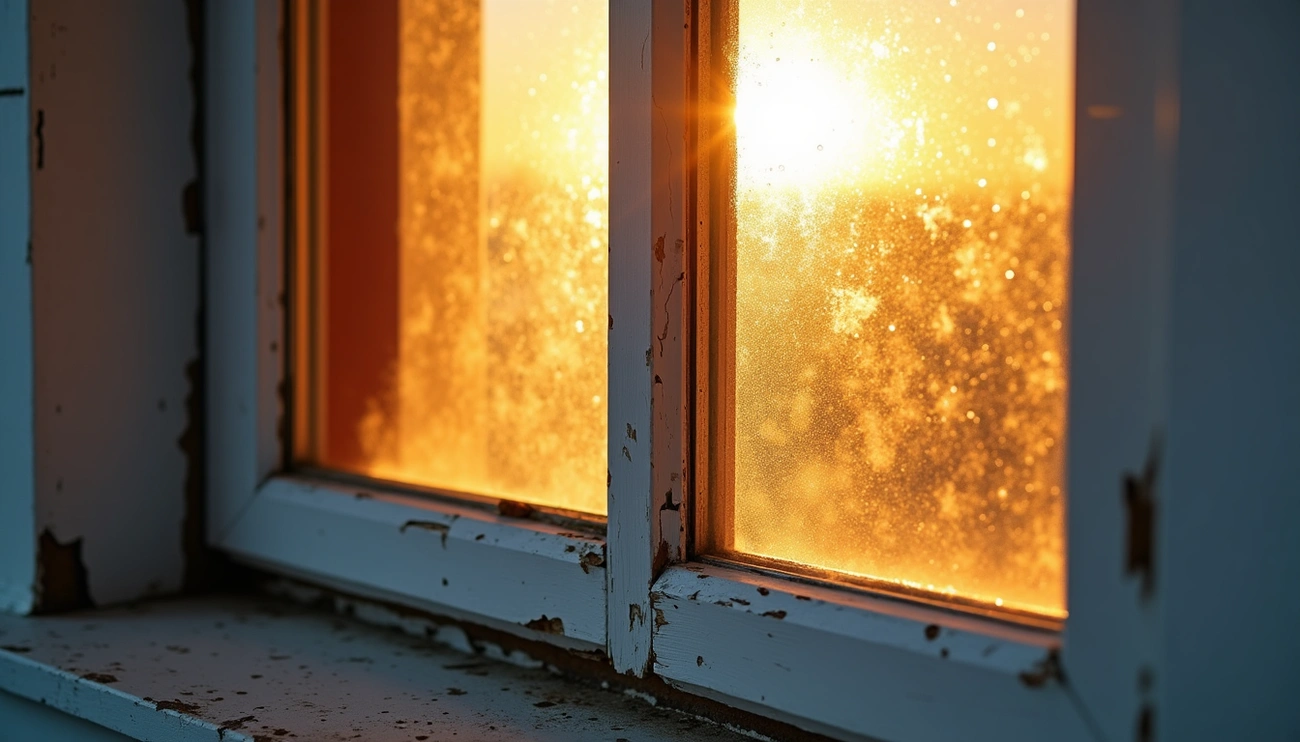
Image Source: George Constructions
Windows serve as critical components of our homes, protecting us from external elements while allowing natural light to enter. The longevity of these essential fixtures varies significantly depending on several key factors.
Average lifespan by material type
Windows typically last between 15 to 30 years, though this timeframe differs considerably based on the frame material. Understanding the expected lifespan by material helps you make informed decisions for your home:
- Fiberglass: These premium windows offer the longest lifespan, lasting 30 to 50 years or even longer. Their superior durability makes them an excellent long-term investment.
- Vinyl: Generally lasting between 20 and 40 years, vinyl windows provide a good balance of durability and affordability[32]. High-quality vinyl resists fading and brittleness, maintaining both appearance and function despite years of sun exposure.
- Wood: With proper maintenance, wood windows can serve for 15 to 30 years. Some well-maintained wooden windows can even reach 50 years of service.
- Aluminum: These typically last 15 to 30 years and are known for their strength and lightweight properties.
Factors that affect window longevity
Beyond material type, numerous elements impact how long your windows will serve your home:
- Installation quality: Even the best windows will fail prematurely with improper installation. Professional installation ensures proper sealing and prevents air leaks.
- Climate and weather: Harsh conditions—like Pittsburgh’s freeze-thaw cycles or coastal salt air—accelerate wear and shorten window life.
- Maintenance practices: Regular cleaning, timely repairs, and protective treatments significantly extend window lifespan[61].
- Quality of materials: Superior manufacturing processes and materials result in longer-lasting products.
- Glass type: Double or triple-pane windows generally outlast single-pane versions.
How often should windows be replaced?
Consequently, most experts recommend considering window replacement around the 20-year mark. Nevertheless, replacement timing varies based on individual circumstances. At 20 years, window seals typically begin weakening, reducing energy efficiency.
Regardless of age, certain signs indicate replacement need: drafts, high energy bills, condensation between panes, and operational difficulties. These warning signs generally appear as windows approach the end of their functional life.
Furthermore, replacing all windows simultaneously often provides cost benefits through bulk pricing and reduced labor fees. This approach ensures consistent performance throughout your home.
8 Warning Signs You Need New Windows
Recognizing the warning signs of failing windows can save you from costly water damage, energy waste, and structural issues. Here are eight telltale indicators that your windows need replacement:
1. Drafts or rising energy bills
When windows lose their ability to seal properly, they allow outside air to infiltrate your home. Placing your hand around window frames on cold days can help detect these drafts. Notably, drafty windows can cause up to 30% of your home’s heat loss, leading to unexplained increases in energy costs. If your HVAC system seems to run continuously without reaching the set temperature, your windows may be the culprit. For a more precise detection method, try the incense stick test—if the smoke wavers near a closed window, air is leaking through.
2. Condensation between glass panes
Foggy or milky-looking windows indicate a broken seal on the insulated glass unit. Once this seal fails, moisture begins to form between the panes, creating that distinctive cloudy appearance. This isn’t merely a cosmetic issue—it’s evidence that the window’s insulating capabilities are degrading. Standard double-pane windows typically last 10-20 years before seal failure becomes common. Water trapped between panes can eventually damage the glass permanently through a process called “riverbedding”.
3. Difficulty opening or closing windows
Windows that stick, jam, or require force to operate signal serious problems. Instead of forcing them, first ensure they’re fully unlocked before attempting operation. Resistance often results from wear on the window’s mechanism, particularly in older or frequently used units. For sliding windows, dirt buildup in tracks frequently causes operational issues, while casement windows may have stripped or damaged gears. Persistent difficulties suggest deeper issues requiring professional assessment.
4. Outside noise is getting louder
If external sounds seem increasingly intrusive, your windows may be failing at soundproofing. Windows are naturally poor insulators against noise, but properly functioning ones should provide reasonable sound reduction. Standard insulating windows typically have Sound Transmission Class (STC) ratings around 26, whereas damaged or aging windows perform even worse. The difference in noise reduction between single-pane windows and modern triple-pane options can be substantial—some specialized units can block up to 70% of noise.
5. Visible damage like cracks or rot
Cracked windows compromise both safety and energy efficiency. Even small fractures can spread, eventually leading to shattered glass. For wooden frames, check for soft spots when pressed—this indicates rot. Peeling paint or bubbling finishes on sills often signal moisture infiltration. Essentially, these visible damages aren’t just cosmetic concerns—they allow water to seep through, potentially causing mold growth and long-term structural damage.
6. Fading furniture or flooring
UV radiation streaming through windows causes cumulative, irreversible damage to your interior furnishings. Over time, this exposure fades fabrics, weakens materials, and deteriorates finishes. Primarily, this affects natural fibers like cotton and wool, but synthetic materials aren’t immune. Wood flooring is particularly vulnerable, often developing uneven coloration patterns where sunlight hits regularly. Standard double-pane glass blocks only 40-50% of UV radiation, while low-E glass blocks around 75%—still allowing harmful rays to damage your possessions.
7. Outdated appearance or poor curb appeal
Older frames can fade, warp, or lose their shape due to heat and moisture exposure. Accordingly, replacing windows can instantly refresh your home’s exterior and boost resale value. Aging windows often look dated even if the rest of your home is well-maintained. Fresh, energy-efficient windows reflect light better and improve ventilation, making your home more inviting from the street.
8. Windows are over 20 years old
Once windows reach the 20-year mark, they begin showing aging signs that affect comfort, safety, and efficiency. At this age, window seals typically start weakening, reducing insulation performance. Windows of this vintage may have outdated technology—many older homes still have single-pane windows, which are significantly less energy-efficient than modern options. Subsequently, replacing 20-year-old windows often makes financial sense, as the energy savings can offset replacement costs over time.
Read other Articles – Why the Battle of Utica Became Rome’s Most Crucial Victory in Africa
How to Tell If Windows Need to Be Replaced
Determining whether your windows need replacement requires more than just guesswork. Simple tests can confirm suspicions and help you make informed decisions about your home’s windows.
DIY tests for drafts and leaks
The candle test remains one of the most reliable methods for detecting drafts. On a windy day, turn off fans and HVAC systems, light a candle, and slowly move it around window edges. If the flame bends or flickers, you’ve identified an air leak. Alternatively, try the curtain test by hanging lightweight fabric near your windows—any movement indicates drafts.
For a more thorough assessment, conduct a basic building pressurization test. Close all windows and doors, turn on exhaust fans, and use an incense stick around potential leak sites—wavering smoke reveals drafts. Moreover, checking for daylight between the frame and window signals potential leaks.
When to call a professional for inspection
Contact a professional immediately if you notice black, soft, or spongy wood around windows, as this indicates rot. Similarly, continuous condensation between panes across multiple windows signals IGU (insulating glass unit) failure.
Active water stains on walls or ceilings near windows should prompt prompt professional investigation. Additionally, if your DIY attempts have yielded minimal results, it’s time for an expert evaluation.
How to compare repair vs. replacement
Consider repairs for minor issues like caulking deterioration, hardware problems, or when window frames remain in good condition. Nonetheless, replacement becomes the smarter choice when you have multiple failed IGUs, widespread rot, or repeated hardware failures.
For windows exceeding 15-20 years, replacement typically offers better value regardless of appearance. Likewise, if you notice increasing energy bills despite repairs, replacement will likely provide better long-term savings.
What Happens If You Ignore the Signs?
Neglecting failing windows transforms minor issues into major expenses. Each day you postpone replacement, these problems silently escalate throughout your home.
Higher energy costs over time
Outdated windows become an enormous energy drain, with studies showing they’re responsible for approximately 25-30% of a home’s heating and cooling energy loss. This inefficiency forces your HVAC system to run excessively, increasing utility bills by up to 25% annually. Consider this financial impact: if your monthly energy bill is $200, window inefficiency wastes roughly $60 monthly—nearly $7,200 over a decade.
Increased risk of water damage and mold
As window seals deteriorate, moisture infiltration becomes inevitable. This dampness creates perfect conditions for black mold growth within 24-48 hours, leading to respiratory issues, allergies, and asthma attacks. Beyond health concerns, water intrusion gradually weakens structural components, causing rot in window frames, damage to drywall, and compromised insulation. These compounding issues often require extensive, costly repairs beyond simple window replacement.
Reduced home value and comfort
Prospective buyers view outdated windows as immediate expenses, often reducing offers accordingly. Daily living quality suffers too—inconsistent indoor temperatures create uncomfortable spaces, while increased outside noise disrupts your peace. Through time, UV radiation streaming through ineffective windows fades furniture, flooring, and interior finishes.
Conclusion
Windows serve as crucial barriers between your home and the outside world, therefore understanding their lifespan and warning signs becomes essential for maintaining your home’s efficiency and comfort. Most windows last 15-20 years, though quality materials like fiberglass can extend this timeframe significantly.
Ignoring the warning signs discussed above can result in serious consequences. Drafty windows, condensation between panes, and operational difficulties all signal potential problems that worsen over time. Additionally, the financial impact grows exponentially—from higher energy bills to structural damage that costs thousands to repair.
Regular inspection remains your best defense against window-related problems. Simple tests like the candle method can help identify issues before they escalate. Though repair might address minor problems, replacement often proves more cost-effective for windows approaching the 20-year mark.
Remember, your windows affect almost every aspect of home comfort—temperature regulation, noise reduction, and even protection against UV damage. Consequently, addressing window problems promptly not only saves money but also preserves your home’s value and ensures your family’s comfort throughout changing seasons.
The decision to replace windows shouldn’t be postponed once clear signs appear. Your future self will thank you for addressing these issues now rather than dealing with the compounding problems that neglect inevitably brings.
FAQs
Q1. How long do typical home windows last before needing replacement? Most home windows last between 15-20 years. However, high-quality windows made of materials like fiberglass can last 30 years or more with proper maintenance.
Q2. What are some signs that windows need to be replaced? Key signs include drafts or rising energy bills, condensation between glass panes, difficulty opening or closing windows, increased outside noise, and visible damage like cracks or rot.
Q3. Is it worth replacing 20-year-old windows? Generally, yes. Windows over 20 years old often have weakened seals, reduced energy efficiency, and outdated technology. Replacing them can improve comfort, reduce energy costs, and increase home value.
Q4. How can I tell if my windows are leaking air? You can perform simple tests like the candle test (observing a candle flame near window edges) or use an incense stick to detect air movement. Professional energy audits can also identify air leaks accurately.
Q5. What happens if I ignore signs that my windows need replacement? Ignoring failing windows can lead to higher energy costs, increased risk of water damage and mold growth, reduced home comfort, and potentially lower property value. It’s best to address window issues promptly.
Interested in similar content or opportunities. Contact Us