

Why This Issue Deserves Attention
Cycling has become a common feature of modern cities, driven by sustainability goals, urban densification, and lifestyle preferences. As bike lanes expand and shared road use increases, bicycle accidents have also become more visible. While this is often discussed as a public safety or legal issue, it is also relevant to property buyers and investors who assess neighbourhood risk, infrastructure quality, and long-term liveability.
Bicycle accident injury compensation sits at the intersection of transport planning, public liability, and community wellbeing. Understanding how compensation works provides insight into how effectively a city manages risk, protects residents, and responds to infrastructure failures. These factors influence tenant confidence, owner-occupier demand, and ultimately property value.
How Bicycle Accident Injury Compensation Works
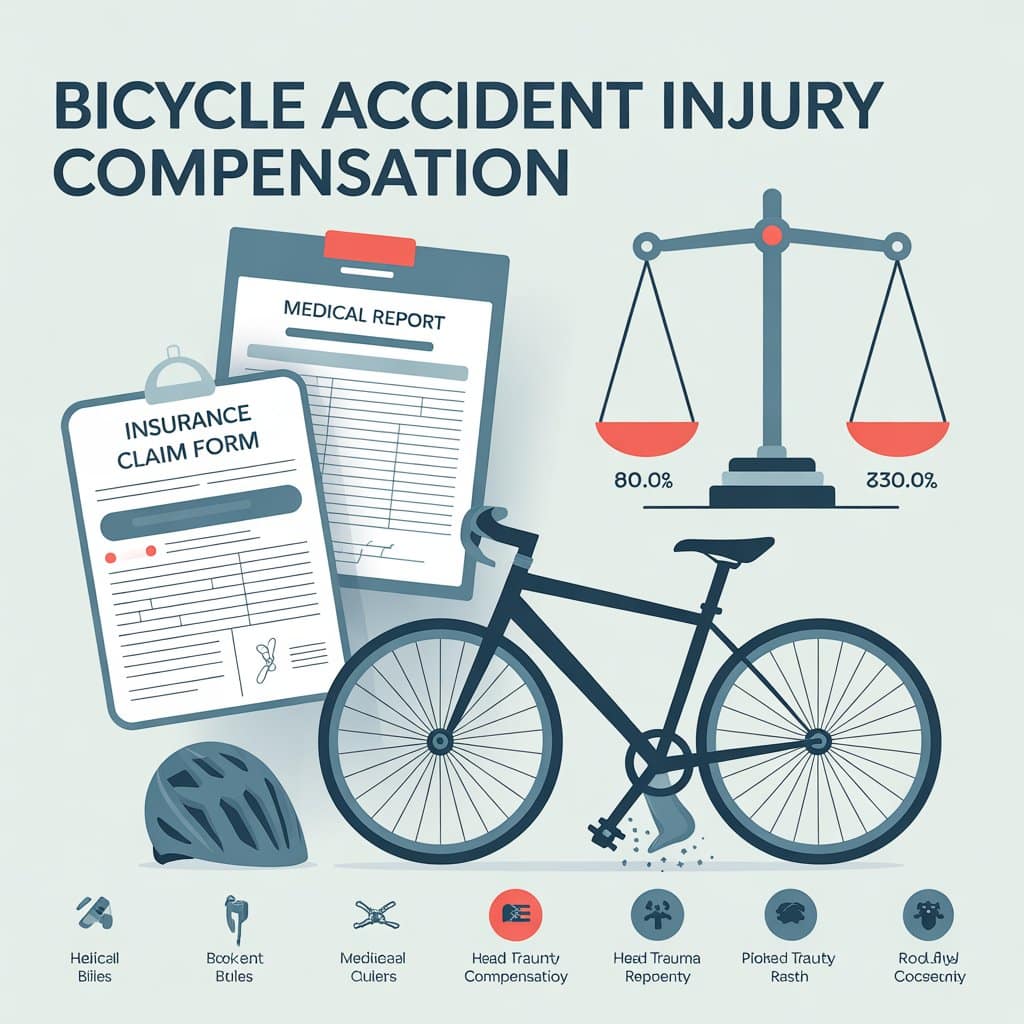
At its core, bicycle accident injury compensation exists to support people who are injured due to negligence, unsafe infrastructure, or the actions of others. Compensation may cover medical expenses, rehabilitation, lost income, and in serious cases, long-term care or reduced earning capacity.
Claims can arise from collisions with motor vehicles, accidents caused by poorly maintained roads, unsafe bike paths, or inadequate signage. Depending on the circumstances, responsibility may rest with a driver, a local council, a contractor, or another party altogether. Insurance schemes and personal injury laws vary by jurisdiction, but the principle remains consistent: injured cyclists should not bear the financial burden of preventable harm.
Why Strong Compensation Systems Benefit Communities
Well-functioning compensation frameworks do more than resolve individual claims. They encourage better planning, safer infrastructure, and accountability across both public and private sectors. Councils and developers are incentivised to maintain roads, design safer cycling routes, and address hazards promptly.
For property investors, this is an indirect but meaningful signal. Areas that prioritise safety and risk management tend to score higher on liveability metrics and attract long-term residents. These same qualities are often highlighted in analyses of broader property market trends, where infrastructure investment and transport integration support sustained capital growth.
Who Should Pay Attention to This Issue
Bicycle accident injury compensation is not only relevant to cyclists. Property buyers, landlords, developers, and investors all have a stake in understanding how these claims arise and how they are managed.
Investors considering inner-city apartments, mixed-use developments, or properties near major cycling corridors should be aware of accident frequency and local infrastructure standards. Developers and body corporates may also face exposure if shared access ways or adjoining paths are poorly designed or maintained.
Even owner-occupiers benefit from awareness, as neighbourhood safety influences insurance premiums, resale appeal, and community reputation. Much like engaging a buyers agent in Brisbane helps purchasers navigate complex property decisions, understanding local risk frameworks supports smarter, more informed investment choices.
Choosing the Right Legal Support
When a bicycle accident occurs, the quality of legal advice can significantly affect outcomes. Professionals specialising in personal injury law bring expertise in assessing liability, navigating insurance processes, and calculating fair compensation.
Key considerations when choosing a service provider include experience with cycling-related claims, knowledge of local legislation, and transparency around fees and timeframes. Reliable professionals should clearly explain the process, manage expectations, and prioritise resolution rather than unnecessary escalation.
From an investor’s perspective, awareness of reputable legal services in a region also indicates how efficiently disputes are handled locally, which contributes to overall market confidence.
What the Claims Process Typically Involves
Although each case is different, bicycle accident compensation claims usually follow a similar pathway. The injured party seeks medical treatment and ensures the incident is documented. Evidence such as photographs, witness statements, and medical reports is gathered early.
A legal assessment then determines whether negligence can be established and which party is responsible. A formal claim is lodged with the relevant insurer or authority, followed by a period of assessment and negotiation. Many claims are resolved through settlement, while others may proceed to court if liability or compensation amounts are disputed.
Understanding this process helps property stakeholders appreciate how incidents are managed and how long resolution can take, particularly where public infrastructure is involved.
Clearing Up Common Misunderstandings
A frequent misconception is that compensation only applies when a car hits a cyclist. In reality, many claims involve road defects, unsafe bike lanes, or construction-related hazards. Another misunderstanding is that minor injuries are not worth pursuing. Even less severe injuries can have lasting impacts on mobility or income, particularly for self-employed individuals.
There is also a belief that compensation systems encourage excessive claims. In practice, most jurisdictions apply strict evidentiary requirements, ensuring that only legitimate claims succeed. For investors, recognising this helps avoid overstating risk when evaluating cycling-friendly locations.
Why This Knowledge Matters for Property Decisions
Bicycle accident injury compensation may seem removed from property investment, but it reflects broader themes that directly affect asset performance. Safe infrastructure, responsive governance, and effective legal frameworks contribute to stable, desirable communities.
When combined with sound real estate investment strategies, awareness of local safety and liability environments supports better decision-making. Investors who look beyond surface-level metrics and understand how cities manage risk are better positioned to identify areas with sustainable long-term value.
Final Thoughts
Bicycle accident injury compensation is an essential part of modern urban living. It protects individuals, promotes safer environments, and reinforces accountability across transport and planning systems. For property buyers and investors, understanding how these frameworks operate adds another layer of insight into neighbourhood quality and long-term resilience.
In markets where infrastructure, safety, and liveability increasingly drive demand, this knowledge is not just useful—it is part of making informed, future-focused property decisions.
Frequently Asked Questions
What is bicycle accident injury compensation?
Bicycle accident injury compensation refers to financial support available to cyclists who are injured due to negligence, unsafe road conditions, or the actions of another party. Compensation may cover medical costs, rehabilitation, lost income, and other related expenses.
Who can make a bicycle accident compensation claim?
Any cyclist injured in an accident may be eligible to make a claim, depending on the circumstances. This can include accidents involving motor vehicles, pedestrians, poorly maintained roads, or unsafe cycling infrastructure.
Do bicycle accidents always involve motor vehicles?
No. Many claims arise from road defects, unsafe bike paths, construction hazards, or inadequate signage. A motor vehicle does not need to be involved for compensation to apply.
Can compensation be claimed if the cyclist was partly at fault?
In many cases, yes. Partial responsibility does not automatically prevent a claim, although the compensation amount may be adjusted based on shared fault.
What types of losses are usually covered?
Compensation may include medical treatment, rehabilitation costs, lost wages, reduced earning capacity, and in serious cases, long-term care or support needs.
Is there a time limit for making a claim?
Yes. Most jurisdictions impose strict time limits for lodging compensation claims. Seeking legal advice early is important to avoid missing key deadlines.
How long does a bicycle accident compensation claim take?
Timeframes vary depending on the complexity of the case, severity of injury, and whether liability is disputed. Some claims resolve within months, while others may take longer.
Why should property buyers and investors be aware of this issue?
Bicycle accident claims can highlight infrastructure quality and safety standards in a location. Areas with strong safety and compensation frameworks often reflect better planning, governance, and long-term liveability, which can influence property demand and value.
If you liked this post Visit Other Posts Click Here.