

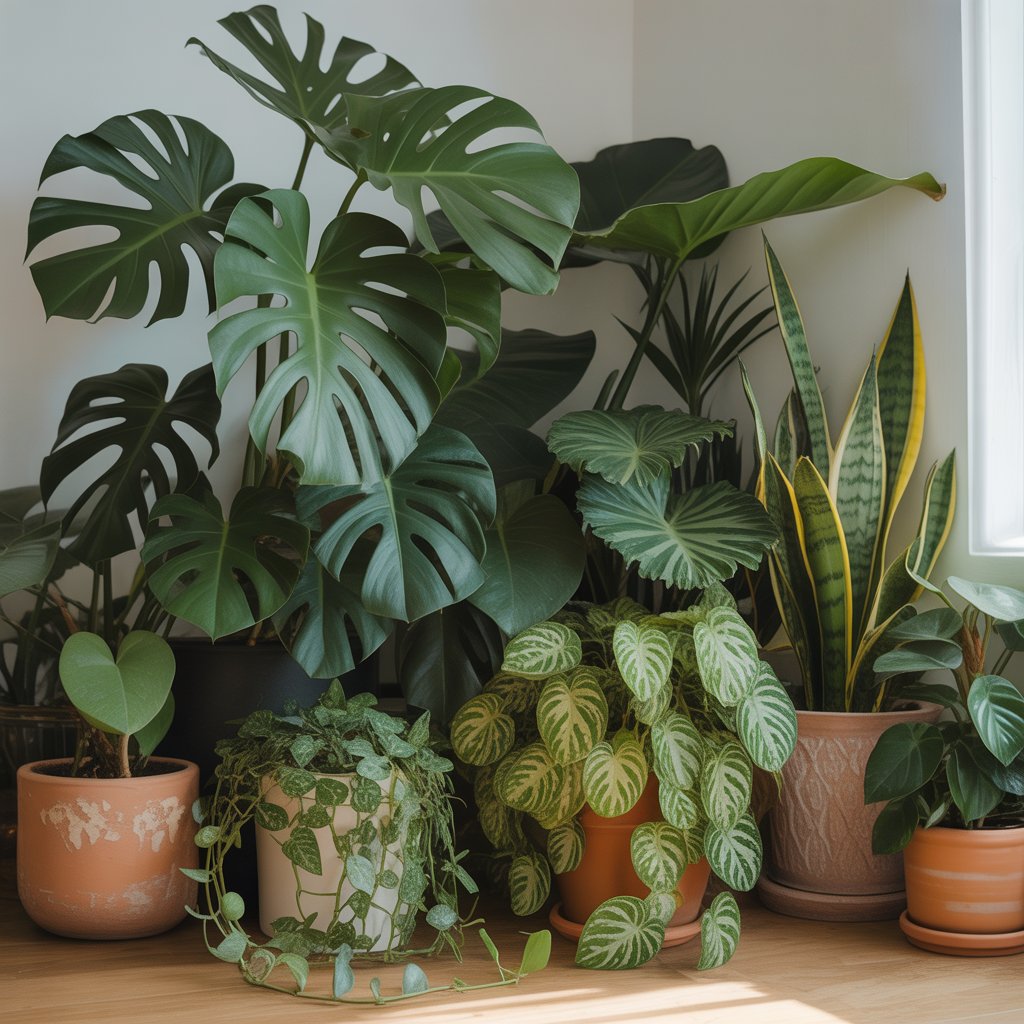
Did you know that vertical hydroponic gardens use 95% less water than traditional soil-based gardens? Even better, these space-saving solutions make vibrant additions to homes without taking up valuable floor space.
Living in a small apartment doesn’t mean we have to give up on our gardening dreams. Indoor vertical gardens offer numerous benefits for apartment dwellers like us – they naturally filter toxins from the air, allow year-round growth even during winter months, and maximize our limited space by utilizing walls and hanging systems. Whether you’re wondering how to garden in an apartment or searching for indoor apartment garden ideas, this guide will help you create a thriving green space.
In this article, I’ll share practical steps for designing an indoor apartment garden that works in spaces as small as 50 square feet. From choosing the right location to selecting appropriate plants, we’ll explore everything you need to know to bring nature indoors – no matter how tiny your living space might be.
Choose the Right Spot in Your Apartment
The foundation of a successful indoor apartment garden begins with selecting the perfect location. Most edible plants and herbs require 6-8 hours of sunlight daily, making light availability your first consideration.
Check for natural light availability
Light is the most essential factor for healthy indoor plant growth. I’ve learned to analyze my apartment’s natural light patterns by observing how sunlight moves through different areas throughout the day. South-facing windows receive the brightest light, making them ideal for high-light plants. East-facing windows provide gentle morning sun, west-facing windows offer afternoon warmth, while north-facing windows typically provide minimal light.
If you’re uncertain about light levels, watch for signs in your existing plants. Stunted growth, leggy stems, and soil that stays damp between waterings indicate insufficient light. My healthiest plants thrive in bright spots, specifically on a ladder-style shelf near a large window that serves as prime real estate.
Use grow lights for low-light areas
Fortunately, insufficient natural light doesn’t mean giving up on your indoor apartment gardening dreams. Grow lights specifically designed to substitute natural sunlight allow for photosynthesis, growth, and even blooming or fruit production.
For optimal results, place grow lights 6-24 inches above your plants, depending on the type. LEDs can be as close as 6 inches, fluorescents should be around 12 inches away, while incandescent lights need at least 24 inches of clearance. Additionally, adjust the lighting height as your plants grow to prevent burning.
Full-spectrum LED grow lights are particularly effective since they mimic natural sunlight by emitting a wide range of light wavelengths. Flowering plants and vegetables typically need 12-16 hours of light daily, followed by at least 8 hours of darkness.
Avoid heat vents and cold drafts
The temperature surrounding your plants is equally crucial. Generally, houseplants prefer temperatures between 60-75°F (15-24°C), similar to human comfort levels. Consequently, I keep my plants away from heating vents, space heaters, fireplaces, and radiators, as excess dry heat causes faster drying and less vibrant appearance.
Furthermore, sudden temperature changes from drafts can stress plants considerably. To protect my indoor apartment garden, I’ve created buffer zones between plants and heat sources. If you can feel heat with your hand, your plant is probably too close. Alternatively, clustering plants together creates beneficial microclimates with higher humidity levels.
Read other Articles: Risk of Rain 2 in 2026: Why This Roguelike Still Dominates After 100+ Hours
Pick a Vertical Garden Structure That Fits
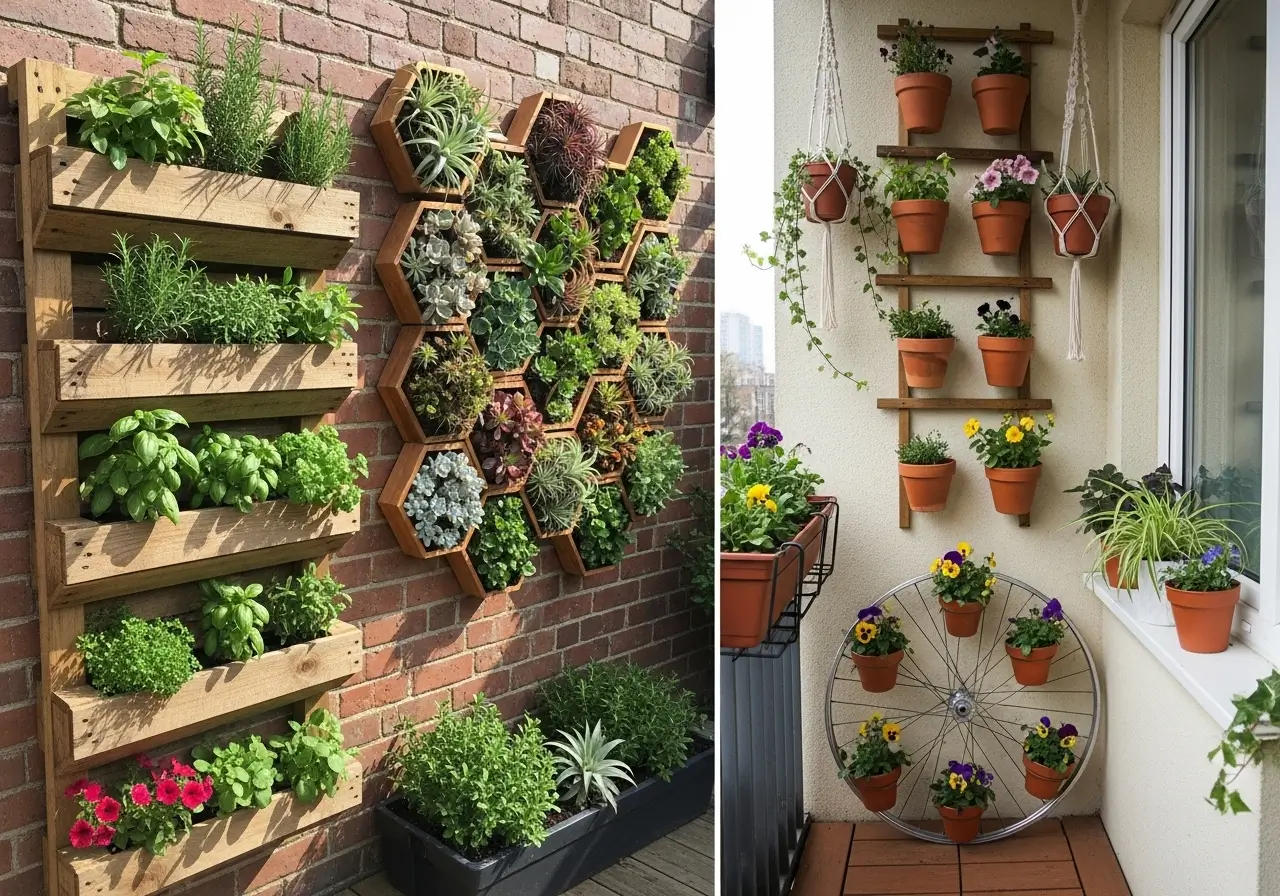
Image Source: Growcycle
Vertical gardening maximizes every inch of space in small apartments. Once you’ve identified your ideal spot, selecting the right structure becomes your next crucial decision for your indoor apartment garden.
Wall-mounted planters
Wall-mounted planters transform blank walls into living artwork while preserving valuable floor space. These modular systems typically feature lightweight yet durable materials that won’t damage apartment walls. Modern wall planters offer impressive features including self-watering reservoirs that keep plants hydrated with minimal maintenance. Some eco-friendly options are crafted from BPA-free, recycled materials, making them sustainable choices for your indoor vertical garden.
For optimal results, I combine planters of different sizes to create visual interest. Wall planters work exceptionally well for herbs, succulents, vining plants, and compact flowers, essentially turning any vertical surface into a thriving garden.
Freestanding plant stands
Unlike wall-mounted options, freestanding plant stands require no drilling or permanent fixtures—perfect for renters concerned about security deposits. These versatile structures allow you to showcase greenery anywhere in your apartment. Moreover, they make plants intentional style statements rather than mere afterthoughts in your décor.
I’ve found that floor plant stands in various heights create depth and dimension in my indoor apartment garden, transforming corners that would otherwise remain empty. When selecting stands, look for designs that complement your existing furniture and allow proper spacing for adequate light exposure.
Hanging baskets and macramé setups
Hanging systems utilize ceiling space—often the most overlooked area in apartment gardening. Macramé plant hangers add bohemian texture while suspending plants at eye level, creating a layered, three-dimensional garden effect.
Initially, I started with simple hanging baskets, subsequently adding macramé holders to create visual variation in my apartment garden ideas. This approach works beautifully for trailing plants like pothos or spider plants that naturally cascade downward.
Upcycled shelves or ladders
Repurposed furniture offers both sustainability and unique style for your indoor apartment gardening projects. Old ladders transformed into tiered plant displays or pallets converted to vertical planters provide rustic charm with minimal expense.
My favorite upcycled solution involves an old wooden ladder that now serves as a three-tiered herb garden. The setup costs practically nothing yet delivers impressive growing space for kitchen herbs within arm’s reach of my cooking area.
Select Plants That Thrive Indoors
Choosing the right plants is the secret to a successful indoor apartment garden. Not all greenery thrives in confined spaces, so I’ve learned to be selective about what I grow.
Best herbs for small spaces
Herbs are perfect starters for indoor apartment gardening because they’re compact and practical. Basil, chives, mint, oregano, rosemary, and thyme flourish indoors with at least 6 hours of direct sunlight. Mint grows vigorously (almost too well!), so I keep it in a separate pot to prevent it from crowding other plants. Basil makes an excellent Italian dish companion, whereas oregano adds classic flavor to pizzas and sandwiches. Certainly, rotating potted herbs from the windowsill to the dining table creates an attractive centerpiece.
Low-light houseplants that work well
Limited natural light needn’t derail your indoor garden dreams. Snake plants grow upright instead of bushy, adapting to most light conditions. ZZ Plants thrive in low to bright indirect light and only need watering when completely dried out. Golden Pothos offers flexible placement options on shelves or desks while forgiving irregular watering schedules. Peace lilies communicate their watering needs by drooping leaves that perk back up once hydrated.
Compact vegetables for vertical gardens
For edible vertical gardens, focus on vegetables with shallow root systems. Leafy greens like spinach and lettuce work wonderfully due to their minimal space requirements. Microgreens provide quick harvests within days. For climbing options, consider cherry tomatoes, cucumbers, and pole beans on trellises. Small radishes and mini carrots like ‘Thumbelina’ grow well in container gardens without demanding excessive depth.
Mixing flowers and edibles
Combining ornamental plants with edibles creates a visually appealing indoor apartment garden that’s both functional and beautiful. This “foodscaping” approach yields healthier plants with less need for pesticides. Many herbs double as attractive flowering plants—pineapple sage, lavender, and bee balm offer fragrant foliage alongside pretty blossoms. Besides enhancing esthetics, flowers increase nectar production, attracting beneficial insects that protect edible plants and improve pollination.
Read other Articles: A Step-by-Step Guide to Mastering Email Organization for Busy Professionals
Set Up and Maintain Your Indoor Garden

Image Source: Bonnie Plants
Now that you’ve selected your plants and structures, let’s focus on setting up and maintaining your indoor garden for long-term success.
Use lightweight soil and proper containers
For indoor apartment gardening, never use garden soil as it’s too heavy and dense for pots. Choose a lightweight potting mix that provides excellent drainage and space for airflow. High-quality potting soil might cost more but prevents root problems through proper drainage. When selecting containers, prioritize pots with drainage holes to prevent overwatering and root rot. For proper sizing, increase pot diameter by 1-2 inches for plants in containers under 10 inches, and 2-3 inches for larger plants.
Install drip irrigation or self-watering pots
Self-watering planters work through capillary action, allowing plants to draw water from a reservoir as needed. These systems are ideal for busy apartment dwellers and travelers, as they deliver consistent moisture without daily attention. Alternatively, drip irrigation systems can water multiple plants simultaneously, ensuring precise delivery directly to plant roots.
Fertilize and prune regularly
Apply fertilizer only during growing months (April through September) when plants actively use nutrients. For houseplants, use fertilizer formulated specifically for indoor plants, often at half the recommended strength to prevent burning. Regular pruning throughout the year improves plant health and appearance, focusing on removing dead leaves and stems.
Prevent pests and mold in small spaces
Maintain good drainage and avoid stagnant water, which attracts fungus gnats and causes root rot. Use only sterile potting soil in clean pots to minimize pest introduction. Regular maintenance—removing dead plant material and wiping dust from leaves—creates a healthier environment in your indoor apartment garden.
Conclusion
Creating a thriving indoor garden is achievable no matter how small your apartment is. From my experience, even a 50-square-foot space can be transformed into a flourishing ecosystem with smart planning and vertical gardening solutions. Walls, ceilings, and unused corners can become prime spots for growing herbs, vegetables, flowers, and houseplants year-round.
The first critical step to successful gardening is assessing light conditions. South-facing windows are ideal, but grow lights can effectively supplement areas that don’t receive enough natural light. Temperature control is also essential—keeping plants away from heating vents and drafts is key to avoiding unnecessary stress.
Vertical structures are perfect for maximizing space while enhancing the aesthetics of your home. Wall-mounted planters, hanging baskets, and upcycled ladders are fantastic solutions for small-space gardeners. These systems let you grow plants upwards, saving precious floor space.
Choosing the right plants is a major factor in your garden’s success. Herbs like basil and mint thrive indoors and add fresh flavors to your meals. Low-maintenance houseplants such as snake plants and pothos do well in low-light conditions. Compact vegetables and ornamental flowers can coexist beautifully, offering both visual and edible rewards.
Ongoing maintenance is vital for ensuring your indoor garden’s year-round health. Use lightweight potting mix, containers with proper drainage, and consistent watering techniques to support plant growth. Regular pruning and pest checks help catch problems before they affect your plants.
Gardening in small spaces encourages creativity and adaptability. My own apartment garden began with a few herbs on a windowsill and grew into a diverse vertical garden spread throughout my living space. Your apartment garden might start small, but it can evolve into a lush indoor haven, improving air quality, providing fresh produce, and offering a natural retreat amidst urban surroundings.
So, don’t be discouraged by limited space. With the right understanding of light needs, vertical structures, plant selection, and proper care, you can create a thriving indoor garden that transforms your apartment into a vibrant green oasis, no matter its size.
FAQs
Q1. What are the best plants for an indoor apartment garden? Herbs like basil, chives, and mint are excellent choices for small spaces. Low-light houseplants such as snake plants, ZZ plants, and pothos also thrive indoors. For edibles, consider compact vegetables like leafy greens, microgreens, and cherry tomatoes. Mixing ornamental flowers with edibles can create an attractive and functional garden.
Q2. How can I maximize space for gardening in a small apartment? Utilize vertical gardening techniques to make the most of limited space. Options include wall-mounted planters, freestanding plant stands, hanging baskets, macramé setups, and upcycled shelves or ladders. These solutions allow you to grow plants upward rather than outward, preserving valuable floor space.
Q3. What lighting considerations are important for an indoor garden? Assess the natural light in your apartment, with south-facing windows typically providing the best conditions. For areas with insufficient light, use grow lights to supplement. LED grow lights are particularly effective as they mimic natural sunlight. Place lights 6-24 inches above plants, adjusting as they grow to prevent burning.
Q4. How often should I water and fertilize my indoor plants? Watering frequency depends on the plant type and environmental conditions. Generally, water when the top inch of soil feels dry. For fertilizing, apply during growing months (April through September) using a fertilizer formulated for indoor plants, often at half the recommended strength to prevent burning.
Q5. What are some tips for preventing pests and mold in an indoor garden? Maintain good drainage and avoid stagnant water to prevent fungus gnats and root rot. Use sterile potting soil and clean pots to minimize pest introduction. Regularly remove dead plant material and wipe dust from leaves to create a healthier environment. Ensure proper air circulation and avoid overcrowding plants to reduce the risk of mold growth.
Interested in similar content or opportunities. Contact Us