


If you know Donnie Iris, odds are you first met him on classic-rock radio, windows down, with “Ah! Leah!” or “Love Is Like a Rock” blasting like it was built for summer nights. But once you move past the hits, the catalog gets interesting fast. The early MCA-era records bring the punchy hooks, later indie albums bring grit and personality, and both sides matter if you’ve followed him for years.
This fan-focused ranking weighs songwriting, replay value, vocals, guitar energy, and how well each album holds up today, not just chart stats.
How This Donnie Iris Album Ranking Was Picked (Simple Criteria Fans Care About)
A “best Donnie Iris album” list can’t be only about what got airplay in 1981. Some records hit harder because of flow, feel, and how often you come back to them when nobody’s watching. So the ranking here is based on stuff fans actually notice after the tenth listen.
Here’s what mattered most:
- Hit songs and sing-along moments (the hooks that stick for decades)
- Strongest tracklist front to back (fewer skips, better pacing)
- Sound quality and performances (tight band, vocal bite, guitar snap)
- How important the album is to his story (turning points, signature sound)
- How often fans revisit it (the “put it on again” factor)
Chart peaks help for context, and the early MCA albums did get more radio play (you can see that history laid out on Music Charts Archive’s Donnie Iris page). But in a real fan ranking, staying power wins.
Quick Donnie Iris primer for new fans
Donnie Iris and the Cruisers play blue-collar rock with bright power-pop hooks, big choruses, and a gritty edge that still feels like a bar band turned loose in an arena. The early 1980s albums are the gateway because they’re packed with radio-known singles and tight, punchy production. Later releases, especially the indie years, lean more personal and rough around the edges, with fewer “hits” but plenty of fire for longtime listeners (background details are easy to trace on AllMusic’s Donnie Iris artist page).
Best Donnie Iris Albums Ranked (From Must-Own to Deep-Cut Favorites)
This list sticks to studio albums that fans talk about the most, balancing the big era-defining records with a later gem that keeps showing up in loyal-fan conversations.
Back on the Streets (1980) is the essential starting point
Release year: 1980
Vibe: Hook-heavy rock with a little new-wave sparkle and a ton of swagger.
Standout songs: “Ah! Leah!”, “Agnes”, “You’re Only Dreaming”, “Back on the Streets”
Best reason to listen: It captures the core Donnie Iris sound in one clean shot.
This is the record most fans hand to a newcomer because it hits fast and doesn’t let up. “Ah! Leah!” is the obvious magnet, but the deeper cuts keep the momentum rolling, and Donnie’s voice has that hungry, slightly ragged push that makes the choruses feel earned. It’s also the easiest album to research and revisit, with details collected on AllMusic’s Back on the Streets page.
King Cool (1981) is the most fun, sing-it-in-the-car album
Release year: 1981
Vibe: Party-rock bounce with big chants and punchy guitars.
Standout songs: “Love Is Like a Rock”, “Sweet Merilee”, “My Girl”, “That’s the Way It Is”
Best reason to listen: The choruses feel like they were written for a full car, not headphones.
Some albums are “best,” others are “most fun.” King Cool is often both, depending on your mood. “Love Is Like a Rock” is pure call-and-response joy, and “Sweet Merilee” has that nervous, wired energy Donnie does so well. The hooks come quick, the band sounds locked in, and the whole thing plays like a Saturday night that starts at 8 and somehow ends at 2. If you want Donnie Iris at his most playful, start here.
Read more Articles: Affordable Gaming Laptops for Students
Poletown (1997) is the best later-era pick for hardcore fans
Release year: 1997
Vibe: Grittier, tougher, less polished, built for fans who like the band loud.
Standout songs: “Poletown”, “Valerie”, “How You Gonna Mend It?”, “The Stalker”
Best reason to listen: It proves the fire didn’t disappear when the spotlight moved on.
If you grew up on the hits, Poletown can feel like meeting an old friend who’s got a few more scars and better stories. The guitars bite harder, the mood is darker, and it leans into bar-band muscle instead of radio gloss. Fans love it because it sounds committed, not cautious. Track and album basics are documented on Wikipedia’s Poletown (album) entry, which is handy if you want to follow along song by song.
The High and the Mighty (1982) is the underrated riffs-and-attitude album
Release year: 1982
Vibe: Straighter, tougher rock with more grit and less candy coating.
Standout songs: “The High and the Mighty” (title track), plus the tougher early 80s mood that fits right next to “Tough World”
Best reason to listen: It’s Donnie pushing harder, even when the hooks aren’t as famous.
This is the record for fans who like the Cruisers when they sound a little meaner. The title track is the entry point, all attitude and forward motion, and the band plays like they’re trying to win a fight, not a beauty contest. It usually lands just outside the top tier because it isn’t as stacked with household hooks as the first two. Still, front to back, it’s a strong rock album that doesn’t beg for approval.
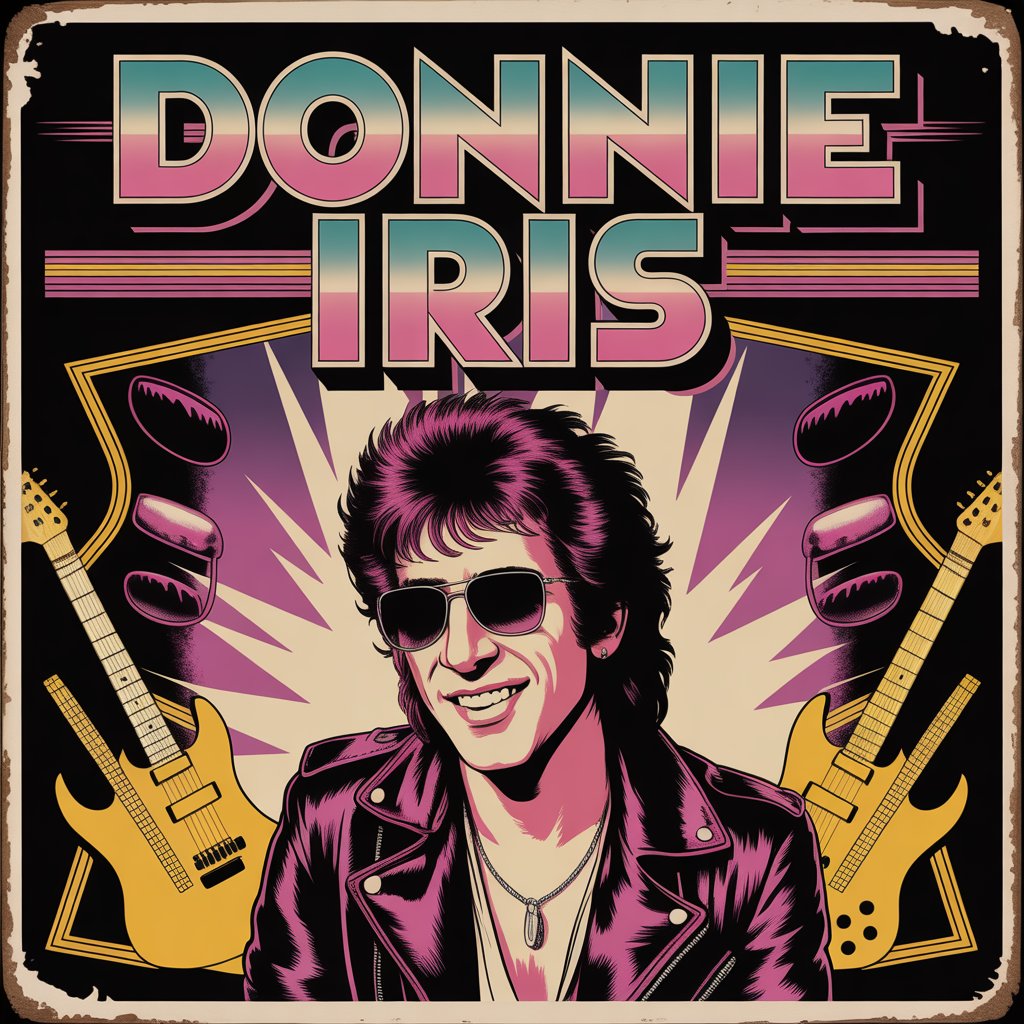
No Muss… No Fuss (1985) is for fans who like straightforward rock
Release year: 1985
Vibe: No-frills, workmanlike rock, built on steady grooves and solid choruses.
Standout songs: “No Muss… No Fuss”, plus the mid-80s Donnie Iris singles from this period like “Injured in the Game of Love”
Best reason to listen: It’s reliable Donnie, even without the big cultural footprint.
This one doesn’t get the same love as the early classics, mostly because fewer songs stayed in the public ear. But there’s something likable about how direct it is. You put it on, you get rock songs that move, and you don’t have to overthink it. If you like Donnie Iris as a straight shooter, this album makes sense, especially when you’re in the mood for something simple and loud.
Read More Aritcles: Understanding Planetary Habitability
What to Listen to Next: Best Donnie Iris Albums for Your Mood (Fast Guide)
Different days call for different Donnie.
- First-time listeners: Back on the Streets for the signature sound, then King Cool for the hit-packed rush.
- Classic-rock radio fans: King Cool first, then circle back to Back on the Streets.
- Guitar-forward deep cuts: Poletown when you want grit and less shine.
- Weekend drive playlist: Start with King Cool, then add Back on the Streets when you want tighter pacing.
If you’re still hungry after these, later studio albums like Together Alone, Ellwood City, and Ah! Leluiah! are worth sampling as bonus chapters, especially if you like hearing the voice age and the band lean into feel over flash.
If you only have an hour: the 3-album starter pack
Go with Back on the Streets for the blueprint, King Cool for the loud sing-along highs, and Poletown for the later-era grit. That trio gives you the full picture fast: radio-era polish, party-rock hooks, and the tougher sound that loyal fans stick with. If you like all three, you’re not just a casual listener anymore.
Conclusion
The “best” Donnie Iris album really depends on what you’re looking for. If you’re after the biggest hooks, Back on the Streets and King Cool are the obvious starting points. For a grittier sound and a dedicated fan vibe, Poletown stands strong, even without chart success. Build your own ranking and see how it shifts after a few listens. Feel free to share your list, favorite song, and which album you’d love to see reissued or performed in a full live set.
FAQ
Q1: What is the best starting point for new fans?
A1: Most fans start with Back on the Streets because it’s tight, hooky, and anchored by “Ah! Leah!”
Q2: Which album has the biggest sing-along energy?
A2: King Cool is the best pick if you want the biggest sing-along energy and the most “put it on in the car” replay value.
Q3: Which later album still hits hard with raw energy?
A3: If you want a later album that still hits hard, Poletown is the go-to because it’s rawer and guitar-forward.
Disclaimer
This ranking reflects fan listening habits and general availability of verified album info as of January 2026. It’s not an official list from Donnie Iris, his band, or any label, and it’s not a substitute for liner notes or credited discographies.
Interested in similar content or opportunities. Contact us