

Introduction
The search for sustainable alternatives is more significant now, with the world struggling to come to grips with the environmental repercussions of fossil fuels. Fossil fuels have literally powered industrial progress and economic growth for hundreds of years, but today they are recognized as major contributors to climate change, air pollution, and the depletion of resources. As global warming becomes a pressing concern, transition into renewable energy sources is emerging as a key solution. This article examines the array of fossil fuel alternatives currently available, their potential to decrease environmental degradation, and their role in shaping the future of energy.
Effects of Fossil Fuels on the Environment
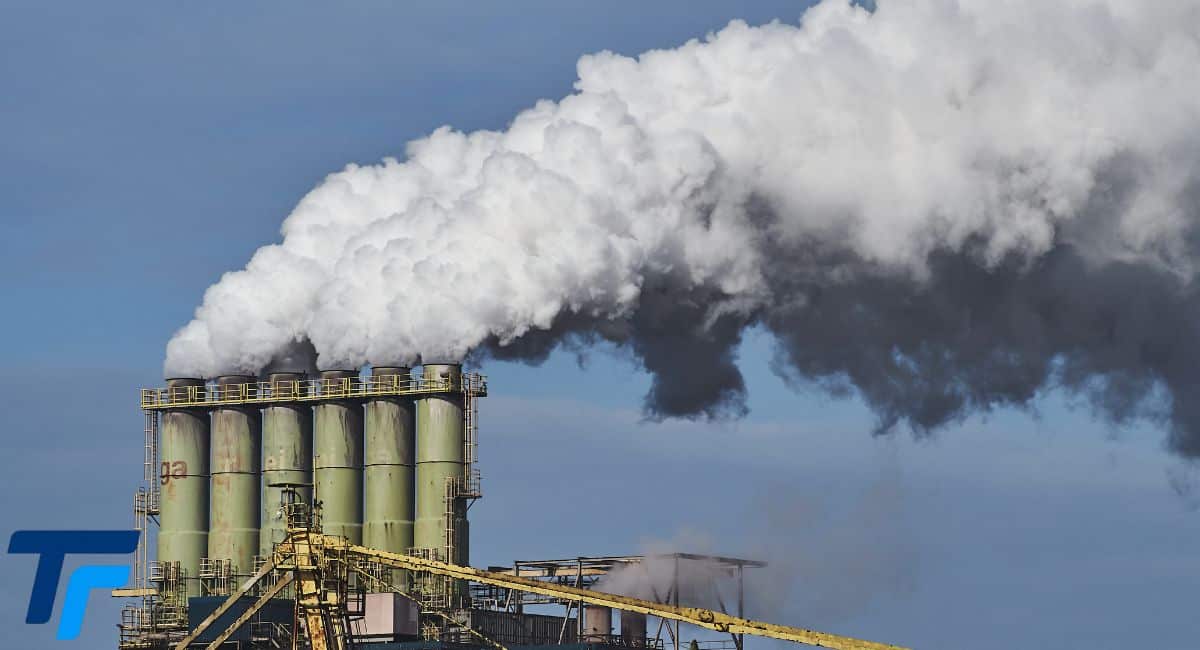
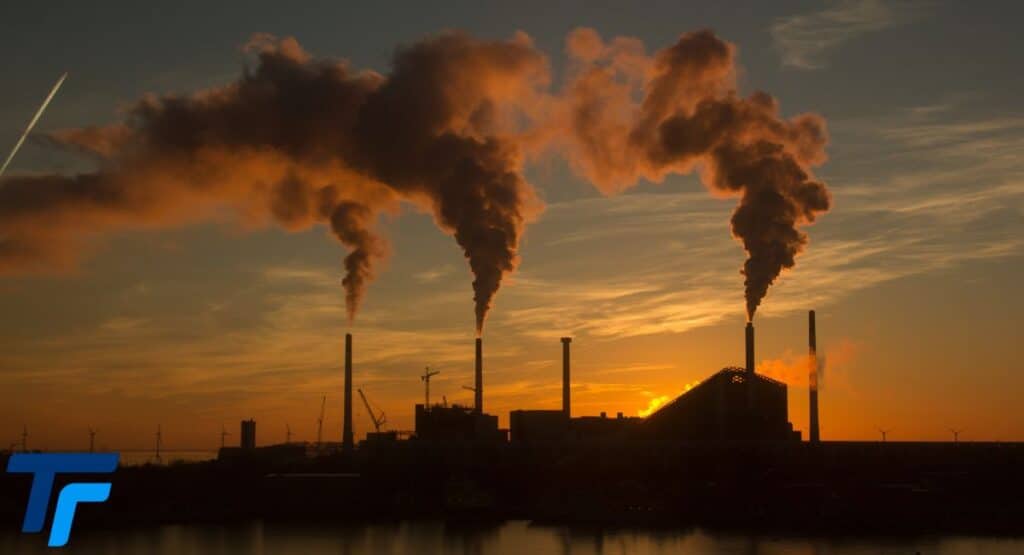
Fossil fuels, which include coal, oil, and natural gas, have been the backbone of energy consumption worldwide. In this regard, the environmental consequences of burning them cannot be hidden. Combustion of fossil fuels emits gases, particularly carbon dioxide (CO2), into the atmosphere, generally leading to global warming. Furthermore, extraction processes of these fuels result in habitat destruction, water pollution, and deterioration of air quality. As energy demand continuously increases, it is clear that relying on fossil fuels is no longer feasible.
Why Alternatives to Fossil Fuels are Needed
The urgent need to find fossil fuel alternatives is linked with several key factors:
- Environmental Protection: The environmental degradation through the use of fossil fuels, such as climate change, rising sea levels, and extreme weather events, calls for cleaner energy.
- Finite Resources: Fossil fuels are not renewable, which simply means that they will eventually become exhausted. As reserves dwindle, extraction is costlier; hence, fossil fuels cannot be a long-term source of fuel.
- Energy Security: High dependence on fossil fuels-especially imported oil-can generate energy security risks stemming from political instability.
- Economic Opportunities: The transition into renewable energy brings opportunities for innovation, job creation, and the formation of new industries, hence being economically viable and simultaneously beneficial for the environment.
Alternatives to Fossil Fuels: Types
There are many renewable energy sources that can help replace fossil fuels, all with their different advantages and challenges.
1. Solar Energy
Solar energy uses the power provided by the sun through photovoltaic panels or solar thermal systems. This source of renewable energy is abundant, widely available, and produces no emissions in operation. Applications of the energy include electricity generation and heating. This has progressively become feasible over the years, serving to be among the most popular substitutes for fossil fuels.
- Advantages:
- Reduces electricity costs.
- Sustainable and widely available.
- Low maintenance costs.
- Challenges:
- Weather determines energy production.
- High upfront installation costs.
For more on solar energy and its advancements, check out Solar Energy Industries Association.
2. Wind Energy
Wind power, by utilization of wind turbines, essentially converts the kinetic energy created by wind into electricity. It is one of the better-established renewable energy sources and has recently experienced some incredible growth worldwide. Onshore and offshore wind farms will be common sights in countries around the world as nations seek to lower their carbon emissions.
- Advantages:
- Clean and renewable.
- Low operating costs once installed.
- A source that can be combined with other sources for a more stable supply.
- Challenges:
- Visual and noise impact.
- Intermittent energy generation.
- Local opposition in some areas.
Get to know more about wind power: Wind Europe.
3. Hydropower
Hydropower, or hydroelectric power, uses flowing water to generate electricity. It is the most installed renewable energy source worldwide by capacity. Dams are often built on rivers in order to control the water flow that drives turbines for power.
- Advantages:
- Reliability and consistency in energy generation.
- Can store energy for future use (pumped storage).
- Provides ancillary benefits of flood control and water supply.
- Challenges:
- The environmental impact on aquatic ecosystems.
- High up-front construction costs.
- Potential displacement of local communities.
Learn more about hydropower from International Hydropower Association.
4. Geothermal Energy
Geothermal energy is extracted from the internal heat of the Earth in order to generate electricity or provide direct heating. It is highly effective and dependable, producing steady energy despite weather conditions. Countries where geothermal resources are available, such as Iceland, have used this source for several decades.
- Advantages:
- Continuous, reliable energy source.
- Low emissions.
- Small Land Footprint.
- Challenges:
- High setup costs initially.
- Geographically constrained to areas with substantial geothermal activity.
Learn more about geothermal energy at Geothermal Energy Association.
5. Biomass Energy
Biomass energy is obtained by organic material such as plant matter or waste products that can be generated as electricity, heat, or biofuels. Biomass may be transformed into energy by combustion, gasification, anaerobic digestion, and other methods.
- Advantages:
- Reduces waste.
- Can be produced locally.
- Lower carbon emissions than fossil fuels.
- Challenges:
- It competes with food production for land.
- May result in deforestation if not well managed.
- Air Quality Concerns from Biomass Burning.
For further details, see Biomass Power Association.
6. Nuclear Energy
Nuclear power makes use of nuclear fission, wherein energy is obtained from the division of atoms. Although nuclear energy is not renewable, this is another low-carbon alternative to fossil fuels because a great deal of electricity is produced with minimal greenhouse gas emissions.
- Advantages:
- High energy density: it produces a lot of power from a small amount of fuel.
- Low carbon emissions.
- Challenges:
- High risks of accidents: for example, Chernobyl, Fukushima.
- Long-term waste disposal issues.
- High construction and decommissioning costs.
7. Hydrogen Fuel Cells
Hydrogen fuel cells produce electricity with hydrogen and oxygen. The only byproduct of this reaction is water, making it clean energy. Hydrogen could be generated from various feedstocks: water, natural gas, and biomass.
- Advantages:
- Emissions at the point of use: zero.
- Versatile-it can be used in transport, electricity generation, amongst many other fields.
- Challenges:
- Hydrogen production is energy-intensive.
- Infrastructure, both for storage and distribution, is lacking.
8. Tidal and Wave Energy
Tidal and wave energy use the kinetic energy of tides and waves of oceans to generate electricity. This energy, therefore, has immense potential, especially for any coastal area.
- Advantages:
- Predictable and reliable source of energy.
- Minimal visual impact.
- Challenges:
- High initial installation and maintenance expenses.
- The environmental impact on marine life.
The Role of Government Policy to Promote Alternatives to Fossil Fuels
Government incentives have a great impact on speeding up the transition from fossil fuels to renewable energy. Subsidies, tax incentives, and research funding lower the costs of renewable energy technologies to make them more competitive with fossil fuels. Furthermore, carbon pricing, renewable energy mandates, and international agreements like the Paris Agreement provide for a decrease in carbon emissions and the promotion of clean energy development.
Conclusion
Fossil fuel alternatives are a crucial pathway out of the environmental degradation, climate change challenges, and the eventual depletion of non-renewable resources. Each energy source has different advantages and presents challenges in various ways, but the future of energy rests in a diversified, integrated mix of such alternatives. We can move towards a greener, more sustainable future by investing in clean energy technologies and supporting policies that further sustainability.
FAQ Section
- What are the major alternatives to fossil fuels?
- The key alternatives include solar, wind, hydro, geothermal, biomass, nuclear energy, hydrogen fuel cells, and tidal energy.
- Why are fossil fuels hazardous to the environment?
- Fossil fuels emit greenhouse gases, which contribute to global warming and climate change. They further cause air pollution, destruction of habitats, and depletion of resources.
- How does the cost of renewable energy sources compare with the cost of fossil fuels?
- lthough the initial capital cost for renewable energy infrastructure can be quite high, their operational costs are significantly lower compared to fossil fuels. Renewable energy, therefore, become more cost-effective over time
- Can renewable energy replace fossil fuels completely?
- While renewable energy has huge potential, there may be a need for a mix of sources to meet global energy needs. Advancements in energy storage and grid infrastructure will also be important.
- What is the role of governments in promoting renewable energies?
- These include promotion through subsidies, tax incentives, carbon pricing, and setting targets for renewable energy.
Disclaimer
The article is for general information and does not constitute professional advice. Although the basis of the information considers current knowledge and research, the ever-evolving nature of the renewable energy landscape means readers must seek expert guidance specific to their needs.
If you liked this post Visit Other Posts Click Here.