

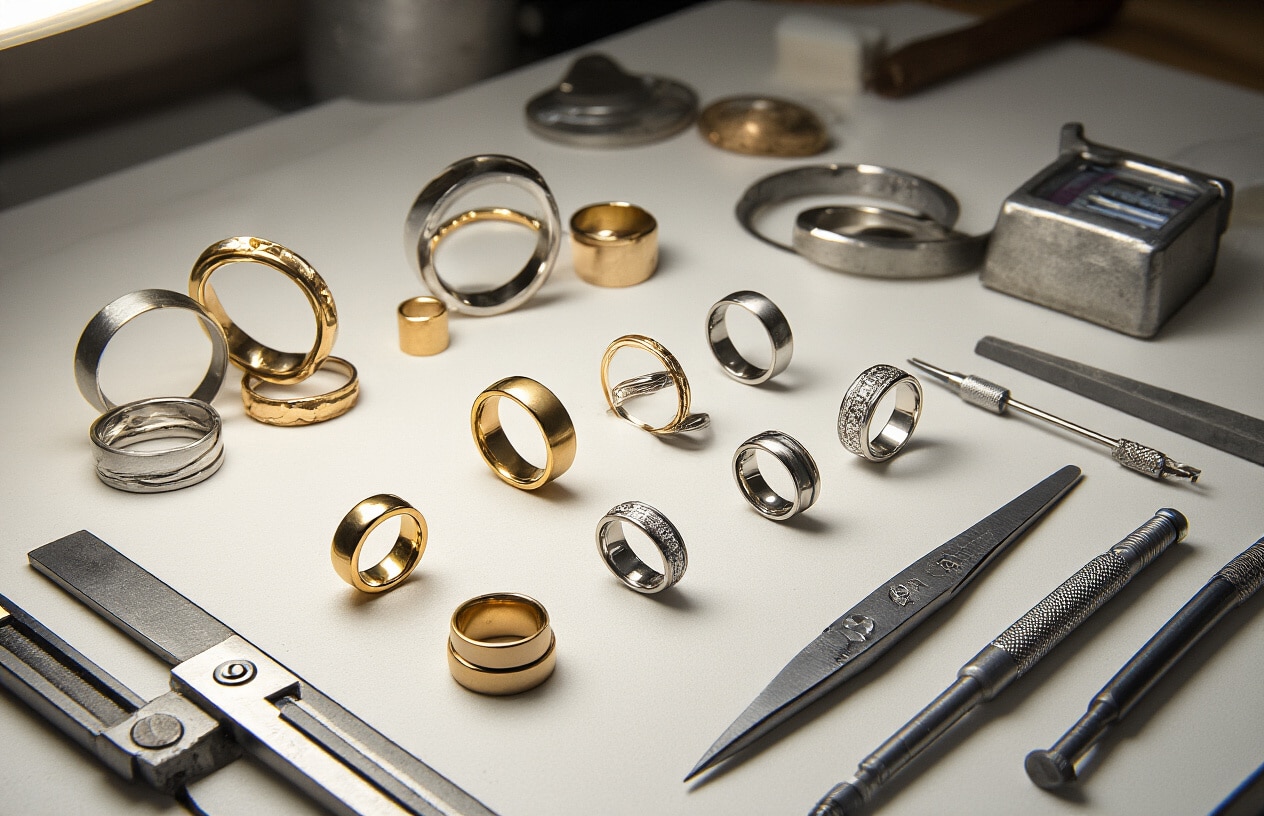
Ring resizing costs can catch you off guard if you don’t know what to expect. This guide is for anyone who needs to resize an engagement ring, wedding band, or inherited jewelry but wants to avoid surprise expenses.
Most ring resizing jobs cost between $20-200, but the final price depends on several key factors. We’ll break down what affects pricing for different ring types and explain why making a ring larger typically costs more than making it smaller. You’ll also learn about potential hidden fees and discover practical ways to save money on your resizing project.
Factors That Determine Ring Resizing Costs
Ring Metal Type and Purity Level
The type of metal your ring is made from plays a huge role in determining resizing costs. Gold rings are the most common and generally the most straightforward to resize, but even within gold, there are significant price variations. 14k gold rings typically cost less to resize than 18k gold rings because they contain less pure gold and are easier to work with. Platinum rings command the highest resizing fees due to the metal’s density and the specialized tools required to work with it.
Silver rings are usually the most affordable to resize, though pure silver can be tricky to work with because it’s so soft. Titanium, tungsten, and stainless steel rings present unique challenges that often make resizing impossible or extremely expensive. Many jewelers won’t even attempt to resize these ultra-hard metals, requiring you to purchase a completely new ring instead.
White gold rings often require rhodium replating after resizing, which adds an extra $50-100 to your bill. This step is necessary to maintain the ring’s bright white appearance and protect it from tarnishing.
Amount of Size Adjustment Needed
The extent of your size change directly impacts the cost and complexity of the resizing process. Minor adjustments of half a size or one full size are typically straightforward and cost-effective. These small changes usually involve stretching the metal slightly or removing a small section of the band.
Larger size changes of two or more sizes require more extensive work. Going up significantly often means adding metal to the band, while going down requires cutting out substantial sections and rejoining the ring. Some rings simply cannot be resized more than two sizes in either direction without compromising their structural integrity.
| Size Change | Typical Cost Range | Complexity Level |
|---|---|---|
| 0.5-1 size | $50-150 | Low |
| 1.5-2 sizes | $100-250 | Medium |
| 2.5+ sizes | $200-400+ | High |
Ring Design Complexity and Stone Settings
Simple bands with no stones or decorative elements are the cheapest and easiest to resize. The more complex your ring’s design, the higher the cost becomes. Rings with intricate patterns, engravings, or multiple stones require careful dismantling and reconstruction to preserve the original appearance.
Eternity bands with stones going all the way around are notoriously difficult and expensive to resize. Many jewelers refuse to resize them altogether because the process often requires resetting multiple stones, which can cost more than the original ring.
Channel-set stones, prong settings, and vintage pieces with delicate metalwork all increase the complexity and cost. Each stone may need to be temporarily removed and reset, adding $25-75 per stone to your final bill. Rings with shared prong settings or tension settings are particularly challenging and may be impossible to resize without damaging the stones or the ring’s structural design.
Antique and vintage rings often require specialized expertise and techniques that command premium pricing. The metal composition in older rings can be unpredictable, and jewelers must take extra care to preserve the ring’s historical value and unique characteristics.
Geographic Location and Jeweler Expertise
Where you live significantly affects ring resizing costs. Major metropolitan areas like New York, San Francisco, and Los Angeles typically charge 30-50% more than smaller cities or rural areas. High-end jewelry districts command premium prices due to overhead costs and the concentration of luxury clientele.
The jeweler’s skill level and reputation also influence pricing. Master craftsmen who specialize in complex resizing work charge more than general jewelry repair shops, but their expertise often justifies the higher cost. Independent jewelers usually offer more competitive pricing than large chain stores, though turnaround times may vary.
Some jewelers offer package deals or discounts for multiple services, while others charge separately for each step of the process. Always get quotes from multiple jewelers to compare pricing and services before committing to any work.
Average Price Ranges for Different Ring Types
Basic Gold and Silver Bands
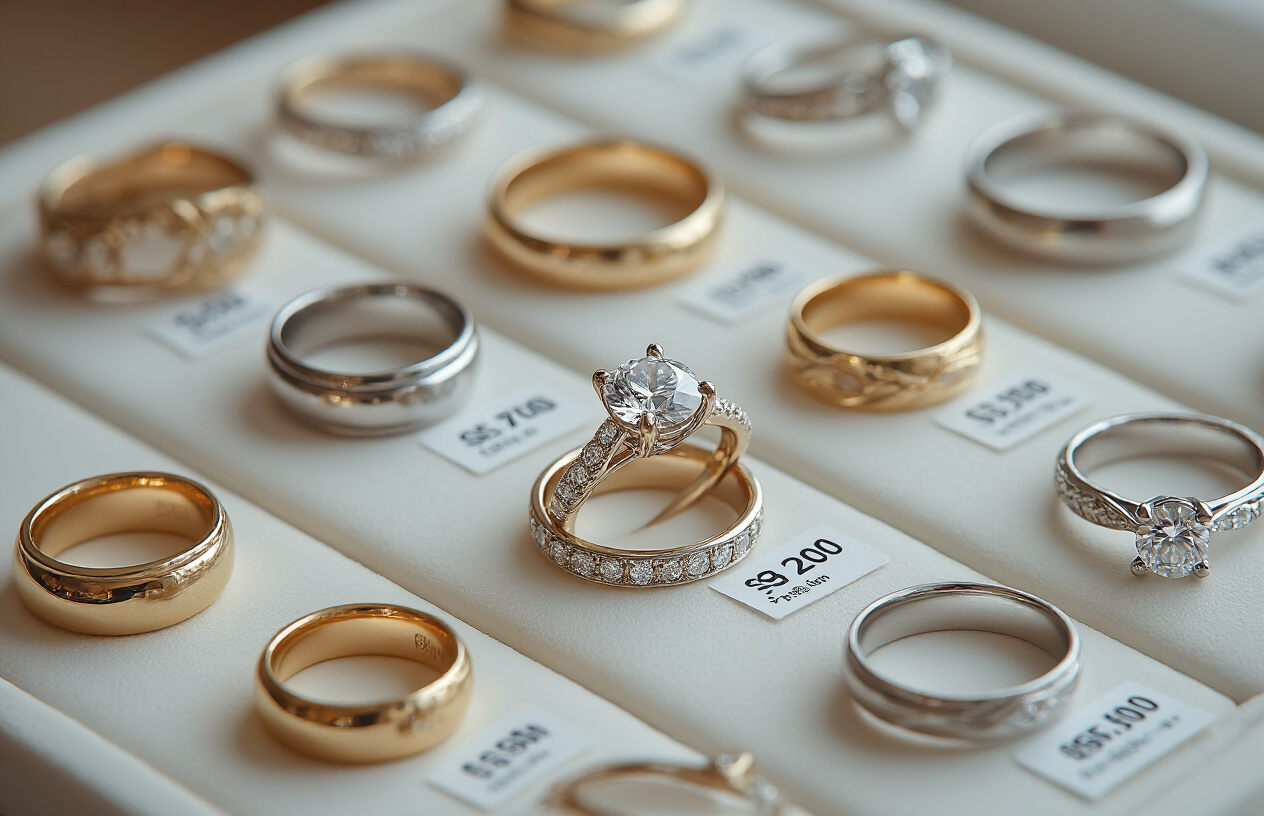
Simple gold and silver bands are the most budget-friendly options when it comes to ring resizing. For basic yellow, white, or rose gold bands (14k or 18k), you can expect to pay between $30 to $80 for most standard resizing jobs. The price typically depends on how many sizes you need to adjust and the current gold market price.
Silver rings are even more affordable to resize, usually ranging from $20 to $50. Sterling silver is relatively easy to work with, making it one of the least expensive metals for jewelers to modify. The soft nature of silver allows for smoother reshaping without requiring specialized equipment or extensive labor.
White gold bands might cost slightly more than yellow gold due to the rhodium plating that often needs to be reapplied after resizing. This additional step can add $15 to $25 to your total cost. The plating gives white gold its bright, silvery appearance, and any resizing work typically removes or damages this coating.
| Metal Type | Size Up (1-2 sizes) | Size Down (1-2 sizes) |
|---|---|---|
| Sterling Silver | $20-$40 | $20-$35 |
| 14k Gold | $35-$60 | $30-$55 |
| 18k Gold | $40-$70 | $35-$65 |
| White Gold (with replating) | $50-$85 | $45-$80 |
Keep in mind that antique or vintage bands may require additional care and specialized techniques, which can increase costs by 25-50% above standard pricing.
Rings with Gemstones and Diamonds
Rings featuring gemstones or diamonds present more complex resizing challenges, reflected in higher pricing. Diamond solitaire rings typically cost between $60 to $150 to resize, depending on the setting complexity and stone size. The presence of stones requires extra care to prevent damage during the heating and reshaping process.
Channel-set or pave diamond bands are among the most expensive to resize, often ranging from $100 to $300 or more. These intricate settings make resizing extremely difficult because moving the stones or adjusting their positions requires meticulous work. Many jewelers actually recommend against resizing heavily decorated bands due to the risk of stone loss or setting damage.
Rings with colored gemstones like emeralds, opals, or pearls require special consideration since these stones can crack or discolor when exposed to heat. Emeralds are particularly vulnerable due to their natural inclusions, while opals can lose their fire when subjected to temperature changes. Resizing these rings often costs 20-40% more than standard diamond rings.
The mounting style significantly affects pricing:
- Prong settings: $60-$120 (stones can usually stay in place)
- Bezel settings: $80-$160 (more metal work required)
- Channel settings: $100-$250 (stones may need removal)
- Vintage or intricate settings: $120-$350 (specialized techniques needed)
Some gemstone rings require complete stone removal before resizing, followed by careful resetting. This process can add $50 to $150 to your total cost, depending on the number and type of stones involved.
Platinum and Luxury Metal Rings
Platinum rings command the highest resizing fees due to the metal’s unique properties and value. Expect to pay between $100 to $300 for platinum ring resizing, with complex designs pushing costs even higher. Platinum’s density and high melting point require specialized equipment and expertise that not all jewelers possess.
The metal’s durability, while excellent for everyday wear, makes it challenging to work with during resizing. Jewelers need platinum-specific tools and soldering materials, which are more expensive than those used for gold or silver. Additionally, platinum work requires higher temperatures and longer working times, increasing labor costs.
Palladium rings, another luxury option, typically cost $80 to $200 to resize. While less expensive than platinum, palladium still requires specialized knowledge and equipment. The metal’s light weight and white color make it popular for modern ring designs, but these same properties can make resizing more complex.
Titanium and tungsten rings present unique challenges. Titanium resizing costs range from $75 to $150, but many jewelers won’t attempt it due to the specialized welding equipment required. Tungsten rings, meanwhile, cannot be resized at all due to the metal’s extreme hardness.
Other luxury considerations include:
- Iridium alloy rings: $150-$400 (extremely rare expertise required)
- Mixed metal designs: $100-$250 (different metals expand at different rates)
- Designer or branded rings: Additional 30-50% markup for maintaining authenticity
Luxury metal rings often require specific certifications or warranties to maintain their value, which can add documentation fees of $25 to $75 to your resizing cost. Always verify that your chosen jeweler has experience with your specific metal type before proceeding with any modifications.
Size Up vs Size Down Cost Differences
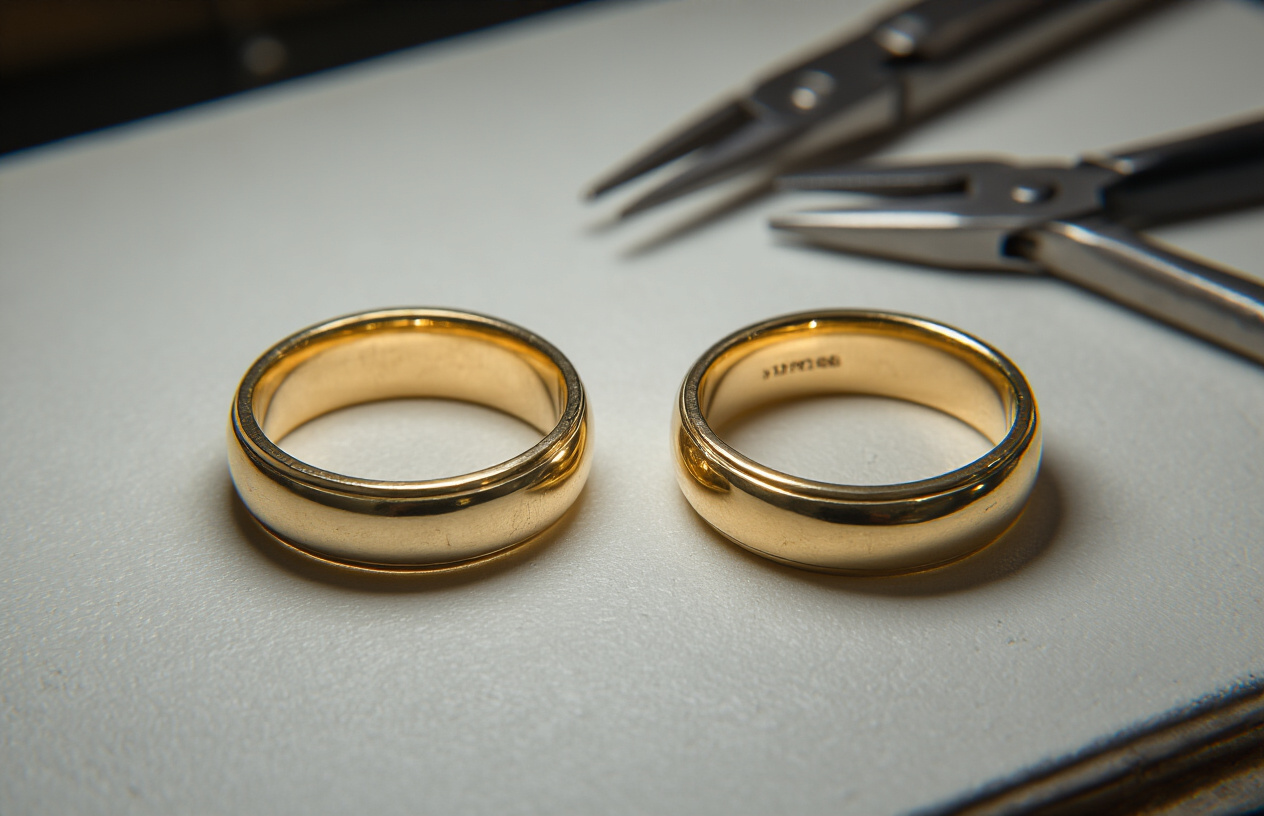
Making rings larger requires additional materials
When jewelers size a ring up, they need to add metal to increase the circumference. This process involves cutting the ring’s shank and inserting a piece of matching metal, then carefully soldering the pieces together. The jeweler must source additional gold, silver, or platinum that matches your ring’s composition exactly.
The cost of materials varies dramatically based on the metal type and current market prices. A white gold ring might need $20-40 worth of additional metal for a one-size increase, while platinum could require $50-80 in materials alone. The jeweler must also account for the purity level – 14k gold costs less than 18k, and 24k pure gold commands premium pricing.
Beyond raw materials, sizing up demands precise craftsmanship. The jeweler must ensure the new metal seamlessly blends with the existing band, maintaining consistent color and texture. This often requires specialized matching techniques and additional finishing work, adding to labor costs.
| Ring Metal | Material Cost (1-2 sizes up) | Labor Cost | Total Range |
|---|---|---|---|
| Silver | $5-15 | $30-50 | $35-65 |
| 14k Gold | $20-35 | $40-70 | $60-105 |
| 18k Gold | $30-50 | $45-80 | $75-130 |
| Platinum | $50-80 | $60-100 | $110-180 |
Making rings smaller involves metal removal
Sizing down presents a different scenario entirely. Jewelers cut out a section of the ring’s shank, then rejoin the remaining pieces. While this might sound simpler, the precision required often makes the process equally challenging.
The primary advantage of sizing down lies in material costs – you’re not purchasing additional metal. However, labor intensity can actually increase depending on the ring’s design. Complex patterns, intricate engravings, or decorative elements along the shank require careful reconstruction to maintain visual continuity.
Jewelers must strategically plan where to make cuts, especially with rings featuring designs that wrap around the band. They need to realign patterns perfectly, which sometimes involves recreating portions of the design by hand. This reconstruction work can push labor costs higher than simple sizing up projects.
The removed metal does have value, but most jewelers retain it as part of their service fee rather than offering credit. Some shops will provide a small discount if you’re removing substantial amounts of precious metal, but this practice varies widely.
When sizing down becomes more expensive
Certain situations make sizing down significantly more costly than sizing up, often catching customers off guard. Rings with gemstones along the shank present major challenges. When jewelers remove metal sections, they must carefully resettle stones, potentially requiring new prong work or channel adjustments.
Wedding bands with continuous patterns create another expense scenario. Diamond eternity bands, for instance, might need complete stone removal and resetting when sized down more than half a size. This process can cost $200-500, far exceeding typical resizing fees.
Channel-set rings pose particular difficulties. Removing metal sections disrupts the channel structure, requiring reconstruction of the entire setting system. The jeweler essentially rebuilds portions of the ring, explaining why these projects often cost 2-3 times standard resizing fees.
Vintage or antique rings frequently fall into the expensive sizing-down category. Their aged metal can be brittle, requiring extra care and specialized techniques. Reproducing period-appropriate finishes and textures adds complexity that drives up labor costs substantially.
Wide bands also challenge the sizing-down process. Removing significant amounts of metal from thick bands requires extensive reconstruction to maintain proper proportions and structural integrity.
Hidden Fees and Additional Costs to Expect
Stone Resetting and Prong Adjustment Charges
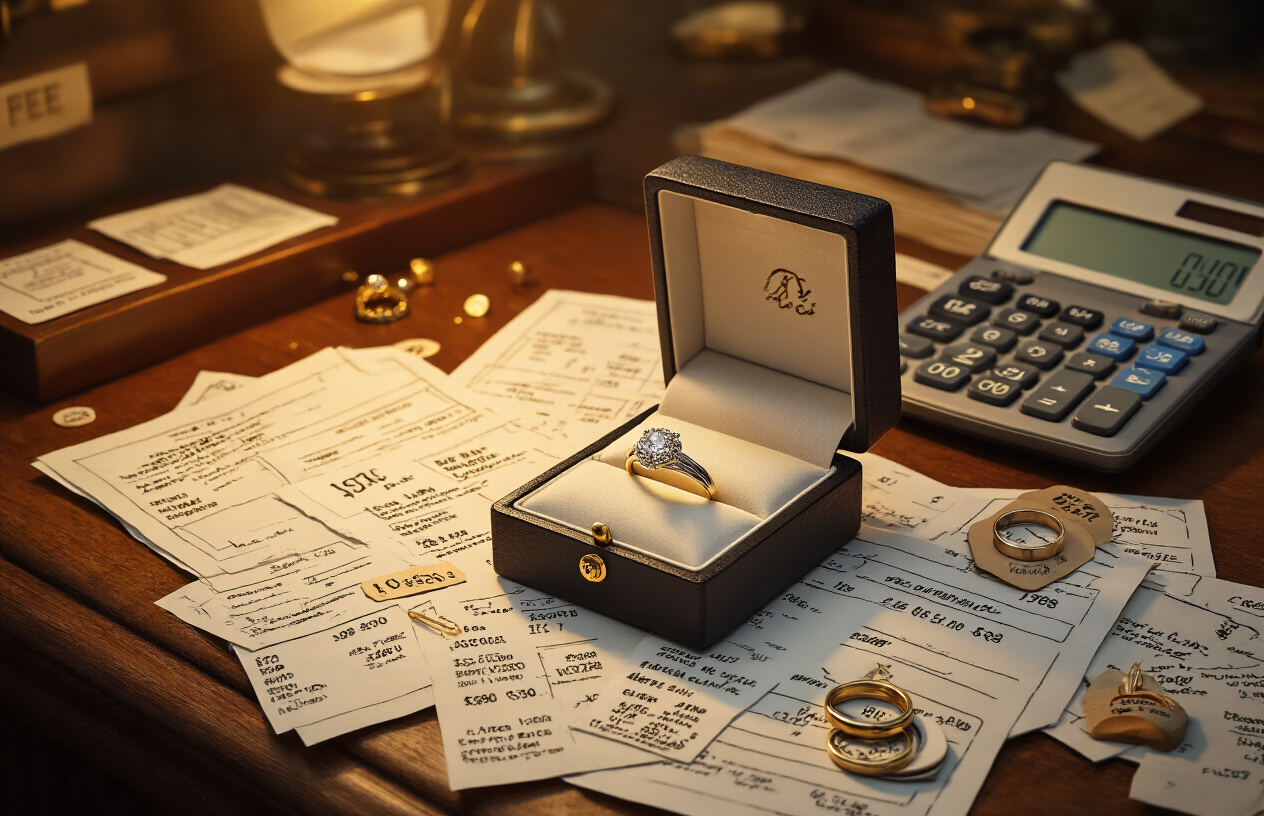
When resizing rings with gemstones, jewelers often need to reset stones and adjust prongs to maintain security and appearance. This process typically adds $25-75 per stone to your bill, depending on the stone size and complexity. Smaller accent stones generally cost less to reset, while larger center stones require more time and precision.
Prong adjustments become necessary because resizing changes the ring’s proportions. As the band expands or contracts, the prongs may no longer align properly with the stone. The jeweler must carefully reshape and reposition each prong to ensure your gemstone stays secure. Complex settings with multiple stones or intricate designs can push these costs even higher, sometimes reaching $100-200 for elaborate pieces.
Some jewelers include basic stone resetting in their quoted price, while others charge it separately. Always ask for a detailed breakdown before agreeing to the work. Antique or vintage rings often require extra care due to fragile settings, which can increase these fees significantly.
Rhodium Plating and Finishing Costs
White gold rings typically receive rhodium plating to achieve their bright, white appearance. The resizing process removes this coating where the work was done, creating an uneven color that requires complete replating. This service adds $40-80 to most jobs, though luxury jewelry stores may charge up to $150.
The finishing process goes beyond just rhodium plating. After resizing, jewelers must polish the entire ring to eliminate visible seams and restore the original luster. This step takes additional time and expertise, especially for rings with detailed engravings or textured surfaces. Hand-finished work on designer pieces or custom rings commands premium pricing.
Different metals require specific finishing techniques. Platinum rings need specialized polishing compounds and equipment, while yellow gold requires different approaches than rose gold. Each metal type affects both the time required and the final cost.
Insurance and Appraisal Update Fees
Ring resizing creates documentation requirements that many people overlook. Insurance companies need updated appraisals showing the ring’s current condition and any modifications. Professional appraisals typically cost $50-150, depending on the appraiser’s credentials and your location.
Some insurance policies require notification within 30 days of any modifications to covered jewelry. Failure to update your policy could result in claim denials if the ring is lost, stolen, or damaged. The appraisal should specifically mention the resizing work and confirm the ring’s structural integrity.
Higher-value rings may need certified appraisals from accredited gemologists, which cost more but provide better insurance documentation. These detailed reports include photographs, measurements, and professional assessments that basic appraisals lack.
Rush Order and Expedited Service Premiums
Standard ring resizing takes 1-2 weeks, but rush orders can double or triple the base cost. Emergency services within 24-48 hours typically add 50-100% to the quoted price. Wedding emergencies or special occasions often drive customers to pay these premiums despite the extra expense.
Weekend and holiday work commands the highest premiums, sometimes reaching 200% above standard pricing. Independent jewelers may offer more flexibility than chain stores, but their rush fees can vary widely. Some shops refuse rush orders for complex resizing jobs that can’t be safely expedited.
The quality of rush work sometimes suffers due to time constraints. Jewelers may skip certain finishing steps or use shortcuts that affect durability. Always discuss these trade-offs before agreeing to expedited service, especially for expensive or sentimental pieces.
Money-Saving Strategies for Ring Resizing
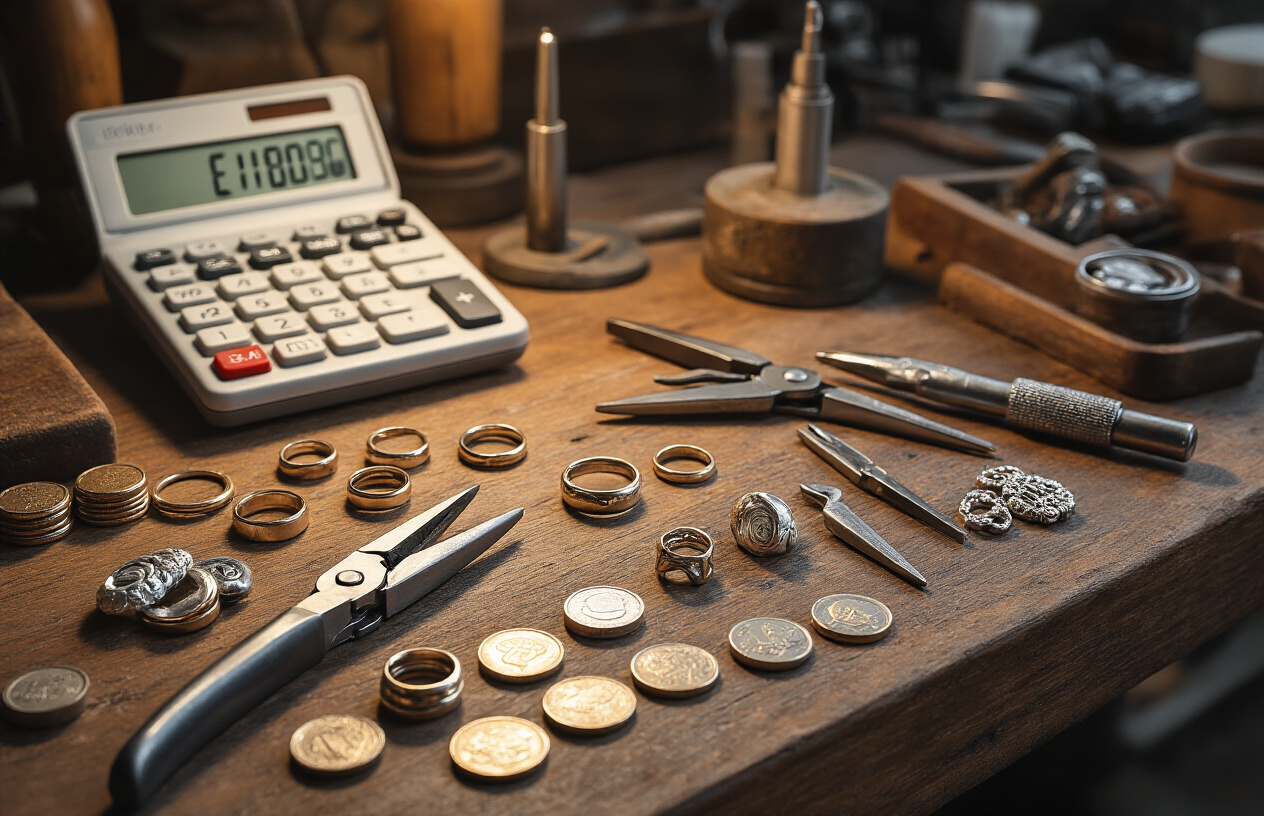
Shopping around for competitive quotes
Getting multiple quotes is your best defense against overpriced ring resizing. Jewelry stores, independent jewelers, and repair shops often charge wildly different amounts for the same service. Start by visiting at least three different places to compare their pricing structures.
Local independent jewelers frequently offer more competitive rates than chain stores or high-end boutiques. They have lower overhead costs and often provide more personalized service. Chain stores like Kay Jewelers or Zales might charge $50-80 for a basic gold band resize, while a local jeweler could complete the same job for $25-40.
Pawn shops and jewelry repair kiosks in malls represent another budget-friendly option. While you’ll want to verify their credentials and experience, many offer professional resizing services at significantly reduced rates. Some charge as little as $15-25 for simple gold band adjustments.
Don’t overlook online jewelry services either. Companies like Quick Jewelry Repairs or Ring Rescue offer mail-in resizing services with competitive pricing and insurance coverage during shipping. Their rates often beat brick-and-mortar stores by 20-30%.
When collecting quotes, ask each jeweler to explain exactly what their price includes. Some quotes might seem higher but include extras like cleaning, polishing, or rhodium plating that others charge separately.
| Service Provider Type | Average Cost Range | Typical Turnaround |
|---|---|---|
| High-end boutiques | $60-150 | 1-3 weeks |
| Chain jewelry stores | $40-80 | 1-2 weeks |
| Independent jewelers | $25-60 | 3-7 days |
| Pawn shops | $15-40 | Same day to 3 days |
| Online services | $20-50 | 5-10 days |
Timing your resize during off-peak seasons
Jewelry stores experience predictable busy and slow periods throughout the year. Planning your resize during quieter times can lead to substantial savings and faster service.
Avoid the engagement and wedding season rush from November through February. During these months, jewelers are swamped with engagement ring purchases, wedding band fittings, and holiday jewelry repairs. They’re less likely to negotiate prices and may charge premium rates due to high demand.
Summer months, particularly July and August, represent ideal timing for ring resizing. Many couples postpone major jewelry purchases during vacation season, leaving jewelers with lighter workloads. This creates opportunities for discounted services and expedited turnaround times.
The period right after Valentine’s Day through early April also offers good savings potential. Jewelers often run promotions to boost business after the holiday rush subsides. Some shops offer “spring cleaning” specials that include discounted repair and resizing services.
Consider timing your resize with major jewelry sales events. Many stores run annual clearance sales in January or back-to-school promotions in late summer. While these sales typically focus on new jewelry, many jewelers extend discounts to repair services to attract customers into their stores.
Bundling services with other jewelry repairs
Combining your ring resize with other jewelry maintenance creates opportunities for package discounts. Most jewelers prefer handling multiple services for the same customer since it reduces administrative overhead and guarantees a larger sale.
If you have other rings needing attention, ask about multi-ring discounts. Many shops offer 10-20% off when resizing two or more rings simultaneously. This works especially well for wedding sets or when multiple family members need resizing services.
Cleaning and polishing services make excellent bundle additions. Professional jewelry cleaning typically costs $10-25 separately, but jewelers often include it free or at a significant discount when combined with resizing. Your ring will look brand new after both services.
Stone tightening and prong inspection pair naturally with ring resizing. Since the jeweler already has your ring disassembled for sizing, adding these safety checks costs minimal additional labor. Many jewelers bundle these services for $20-30 extra, compared to $40-60 if performed separately.
Watch repair services create another bundling opportunity. If you wear both rings and a watch regularly, many jewelers service both types of items. Combining a ring resize with watch battery replacement or band adjustment often yields 15-25% total savings.
Consider these popular service combinations:
- Ring resize + professional cleaning + prong tightening
- Multiple ring resizing + stone inspection for all pieces
- Ring resize + watch battery replacement + jewelry cleaning
- Wedding set resizing + anniversary stone upgrade
- Ring resize + chain repair + earring back replacement
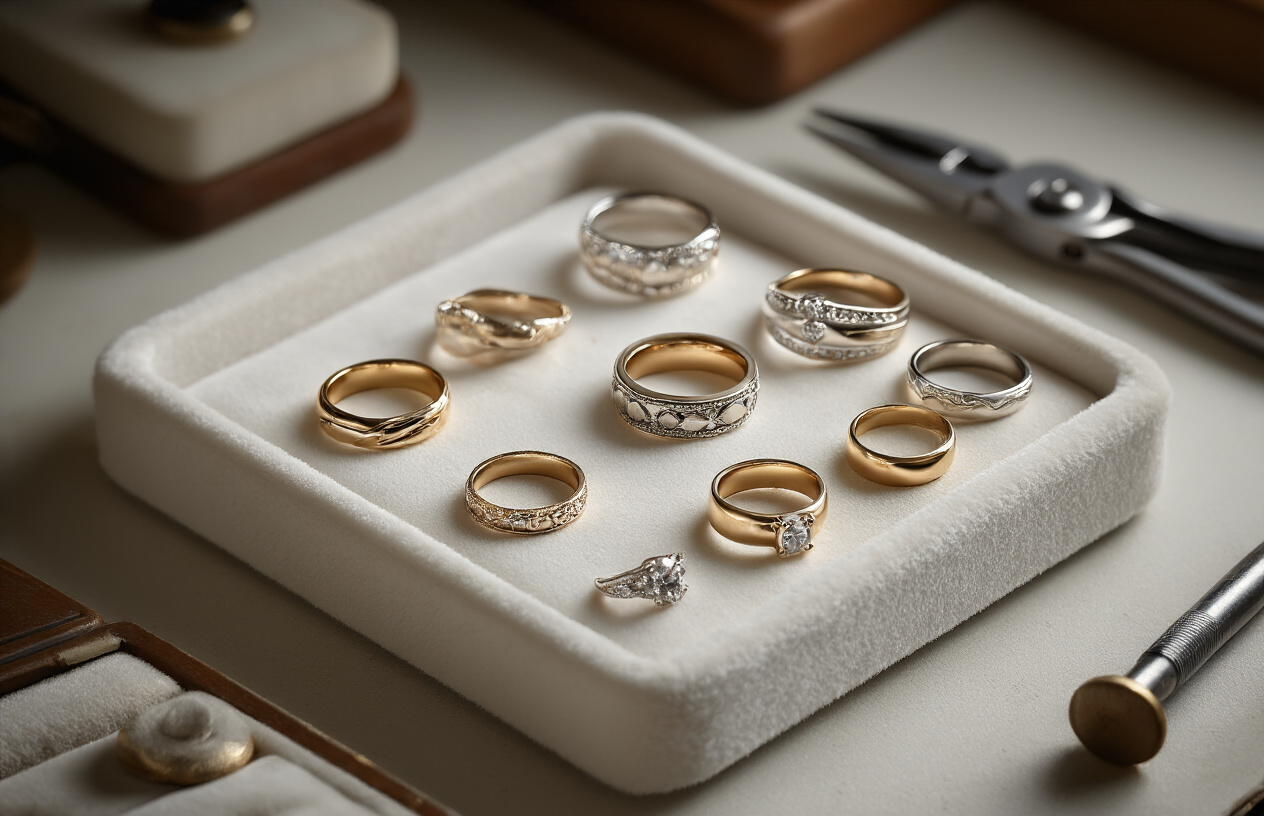
Ring resizing costs can vary quite a bit depending on your specific situation, but now you have a clear picture of what to expect. The type of metal, how many sizes you need to change, and whether you’re going up or down all play a role in the final price. Gold and platinum rings typically cost more to resize than silver, and going up in size usually means spending more than sizing down.
Don’t forget to factor in those sneaky additional costs like stone resetting or rhodium plating that can pop up during the process. Getting quotes from multiple jewelers and timing your resize during slower periods can help you save some money. Remember to work with a reputable jeweler who can show you examples of their work – your ring deserves the best care possible, and a botched resize job will cost you way more in the long run.
Disclaimer: Prices and services mentioned in this guide are for informational purposes only. For exact quotes and expert advice, please consult a professional jeweler.
If you liked this post Visit Other Posts Click Here.
2 thoughts on “How Much Does Ring Resizing Really Cost in 2025?”